
Electronic Health Record (EHR)
Comprehensive digital health record designed to securely share patient information across.
Definition
An Electronic Health Record (EHR) is a comprehensive digital health record designed to securely share patient information across multiple healthcare organizations and providers.
Why it matters
EHR interoperability improves care coordination, supports smoother transitions of care, and provides more complete clinical information for home health agencies.
Home Health Documentation Playbook
The complete guide to OASIS-E, Medicare compliance, PDGM, and AI-assisted documentation. Learn how top agencies reduce documentation time without sacrificing compliance.
Listen While You Read
Conversations on lupa & pdgm
Episodes from Inside Home Health that put Electronic Health Record (EHR) in operational context.
 Ep 23
Ep 23Ep 23 · Aug 17, 2026
The Hidden Spreadsheet Error That's Causing the Nursing Shortage | Robert Wingo
 Robert Wingo, BSN, RN, NI-BCWatch
  Ep 14
Ep 14Ep 14 · Jun 1, 2026
AI vs Intuition: What Nurses Know Before the Monitors Do
 Desiree PaigeWatch
  Ep 17
Ep 17Ep 17 · Jun 23, 2026
Most Healthcare AI Startups Are Building the Wrong Product | Dr. Sarah Matt
 Dr. Sarah MattWatch
Related Blogs
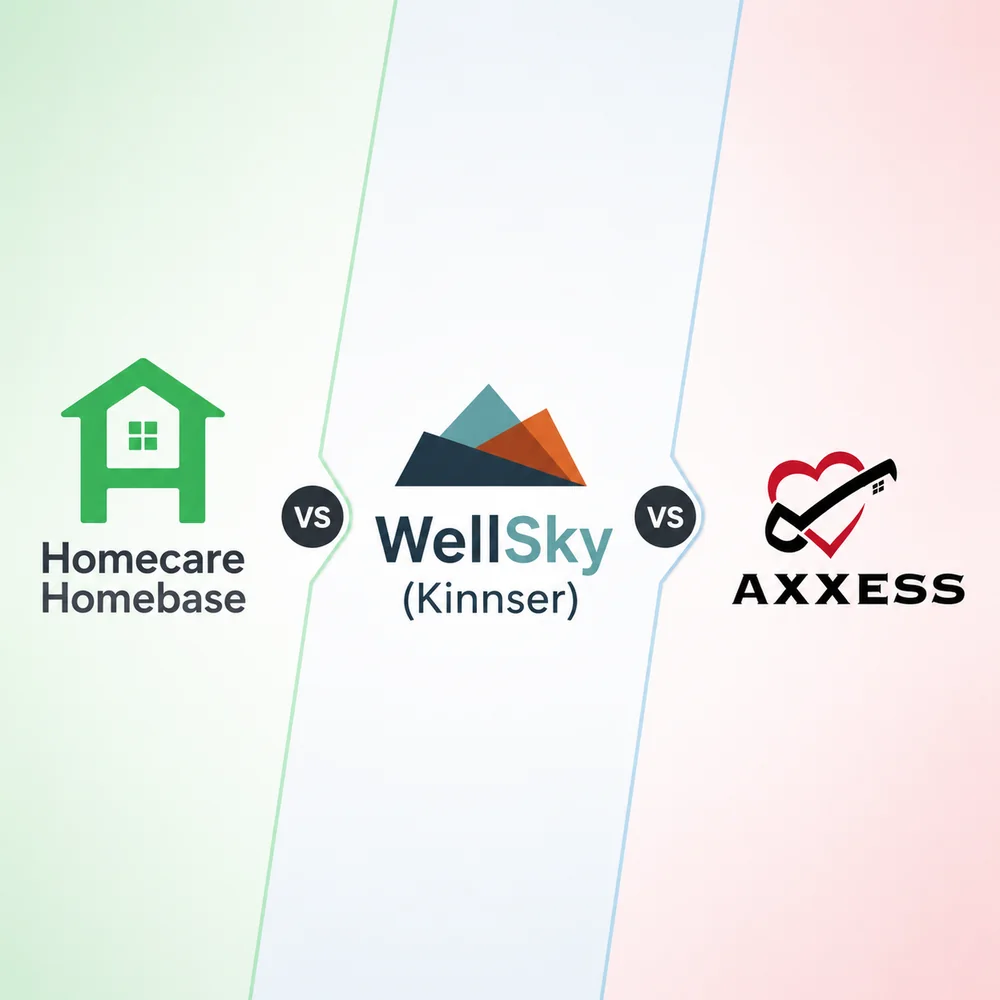
Homecare Homebase vs WellSky (Kinnser) vs Axxess: Which Home Health EMR Is Best for Documentation?
Choosing a home health EMR shapes how nurses document, how fast claims go out, and how efficiently your agency runs. Homecare Homebase, WellSky (Kinnser), and Axxess all support OASIS-E and Medicare compliance, but they differ in usability, scalability, and workflow design. This guide compares all three across documentation, OASIS-E, mobile, compliance, AI, and agency size to help you choose.

The Biggest Documentation Challenges Home Health Nurses Face
Home health nurses face heavy documentation challenges: delayed point-of-care charting, excessive administrative time, clunky EHRs, OASIS complexity, strict reimbursement rules, working in isolation, endless QA corrections, and after-hours charting that drives burnout. Reducing documentation burden is now essential for clinician retention, patient outcomes, and agency financial performance.
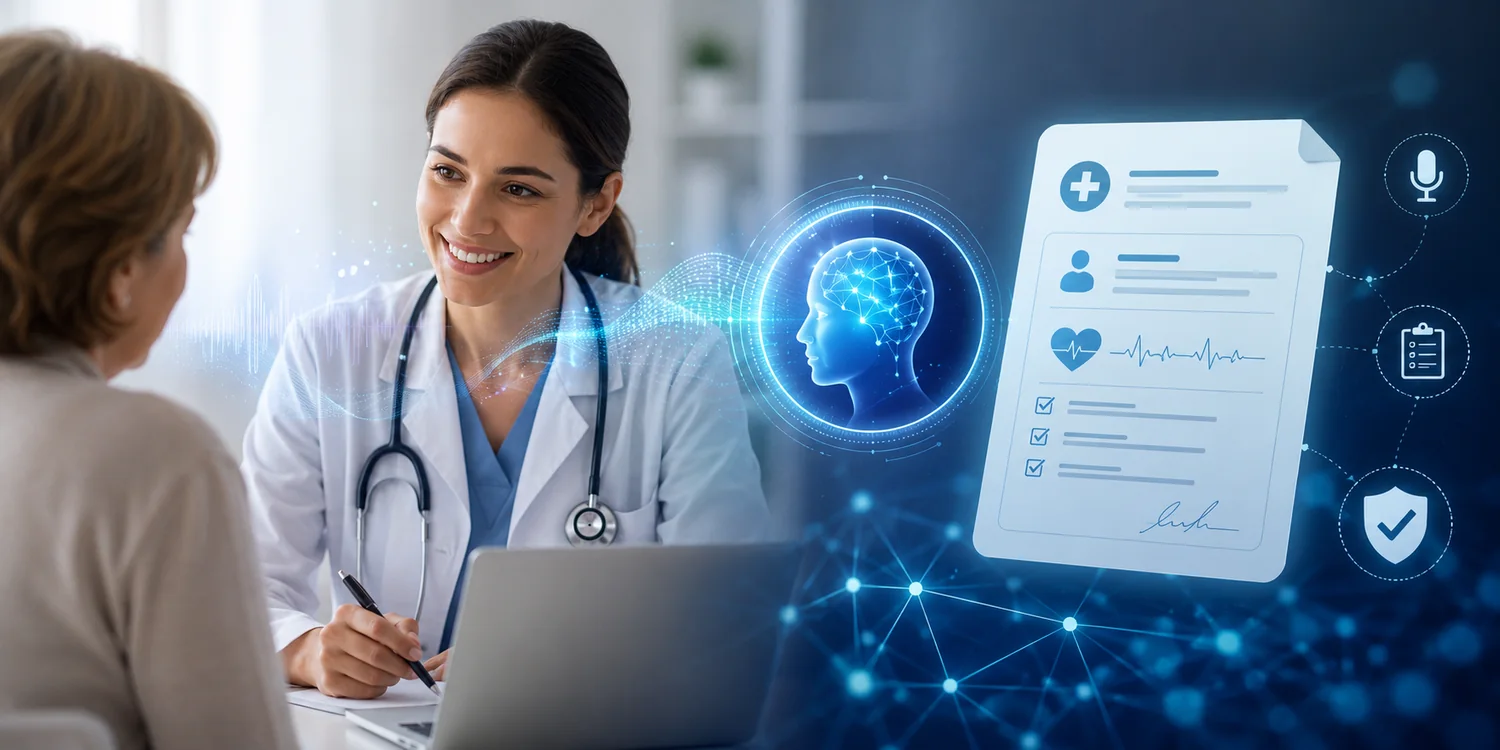
How Ambient AI Is Changing Clinical Documentation
Ambient AI passively listens to patient-clinician conversations and automatically generates structured clinical documentation, using speech recognition, NLP, and large language models to capture symptoms, diagnoses, medications, and plans. It reduces after-hours charting and burnout while the clinician reviews and approves every note. In home health, it works best paired with an AI documentation agent that understands OASIS and referral workflows.