
Electronic Medical Record (EMR)
Digital version of a patient's clinical chart maintained by a healthcare organization.
Definition
An Electronic Medical Record (EMR) is a digital version of a patient's clinical chart maintained by a healthcare organization. It stores assessments, diagnoses, medications, physician orders, visit notes, and other clinical documentation.
Why it matters
EMRs support accurate documentation, scheduling, coding, billing, and compliance. They also help agencies monitor visit counts and identify patients who may be at risk for a LUPA.
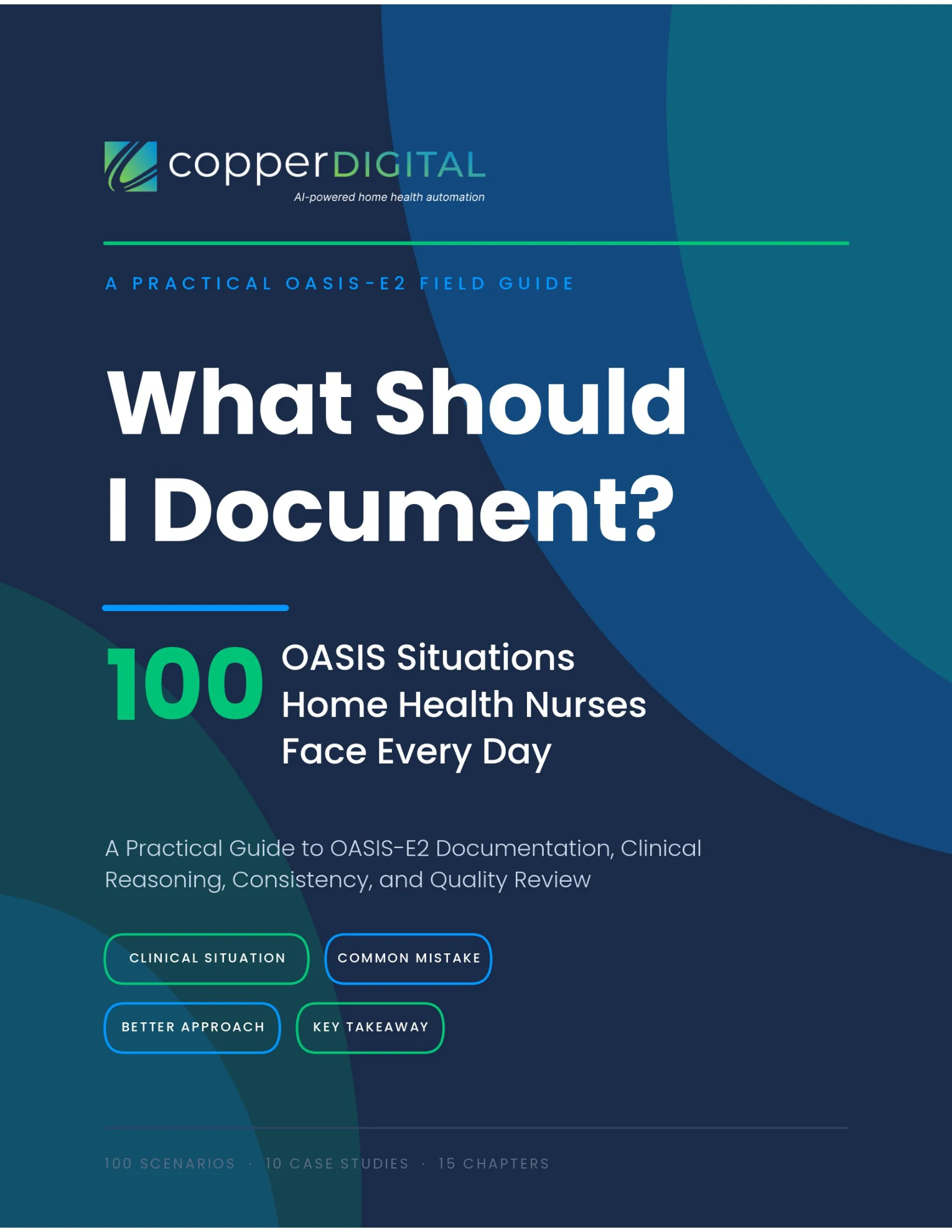
What Should I Document? 100 OASIS Situations Home Health Nurses Face Every Day
100 real OASIS scenarios, worked end to end — clinical situation, common mistake, better approach, and key takeaway. Built around OASIS-E2 (effective April 1, 2026) to turn what you assess into accurate, defensible documentation.
Listen While You Read
Conversations on lupa & pdgm
Episodes from Inside Home Health that put Electronic Medical Record (EMR) in operational context.
 Ep 21
Ep 21Ep 21 · Jul 20, 2026
Why Nurses Stop Using AI Tools After 90 Days | Jennifer Ngure
 Jennifer NgureWatch
  Ep 23
Ep 23Ep 23 · Aug 17, 2026
The Hidden Spreadsheet Error That's Causing the Nursing Shortage | Robert Wingo
 Robert Wingo, BSN, RN, NI-BCWatch
  Ep 20
Ep 20Ep 20 · Jul 13, 2026
The Real Cost of Ignoring Nurse Burnout | Jennifer Johnson
 Jennifer JohnsonWatch
Related Blogs
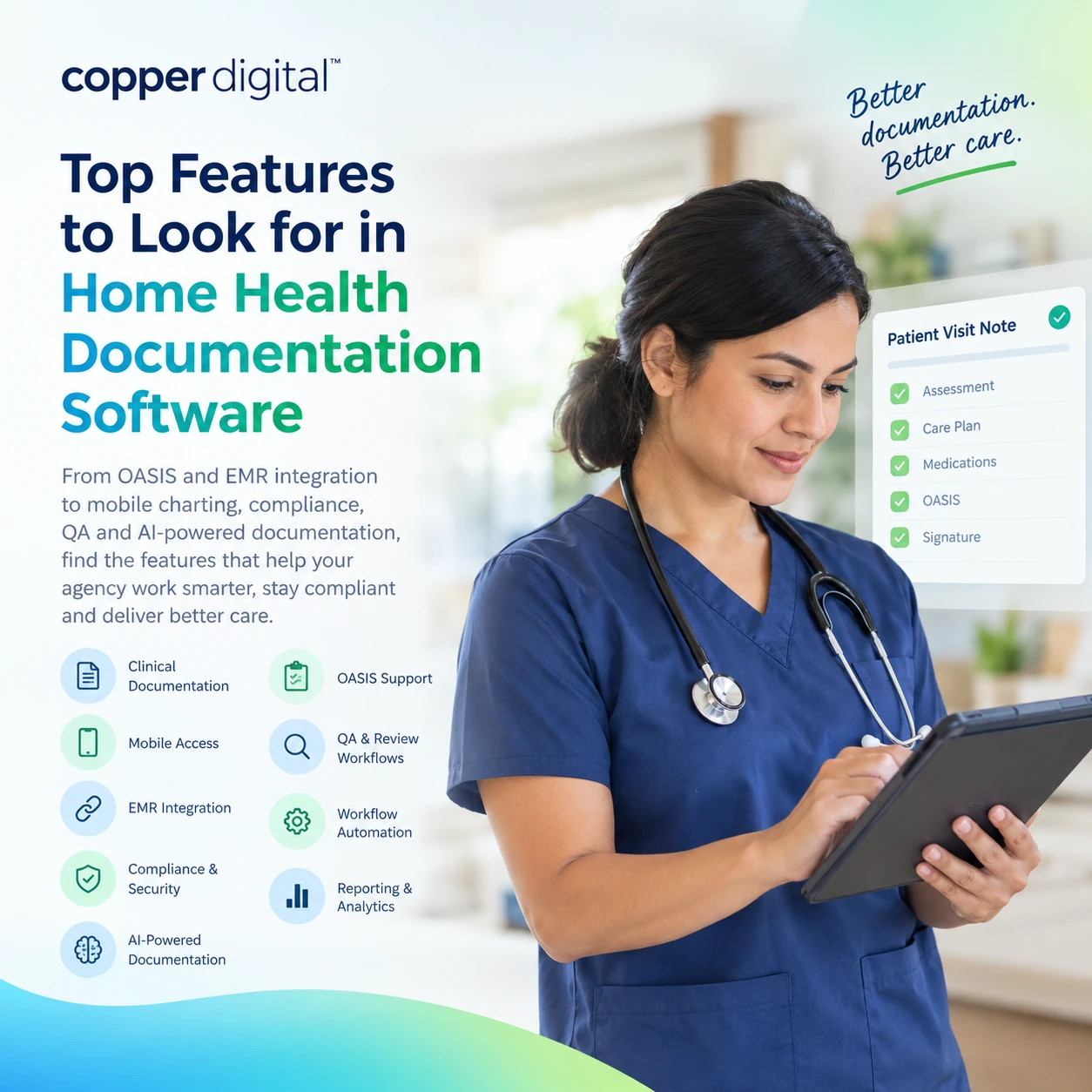
Top Features to Look for in Home Health Documentation Software
A practical guide to evaluating home health documentation software, including OASIS support, mobile charting, EMR integration, QA, security, workflow automation, and clinician-reviewed AI.
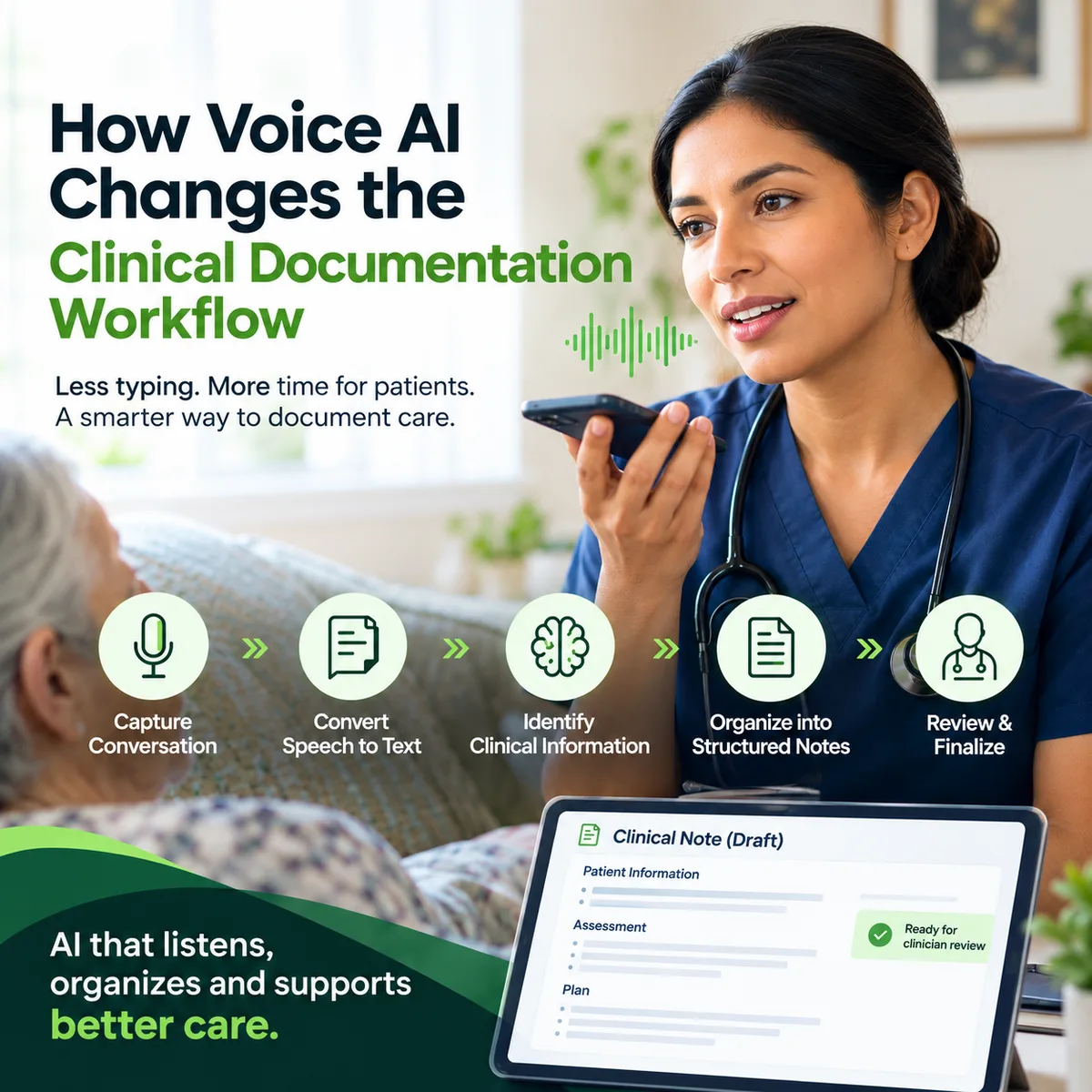
How Voice AI Changes the Clinical Documentation Workflow
Voice AI can turn a natural clinical conversation into a structured draft, identify missing information, and support QA and EMR workflows. The goal is not to remove the clinician; it is to reduce repetitive documentation work while keeping clinical judgment and final approval with the healthcare professional.
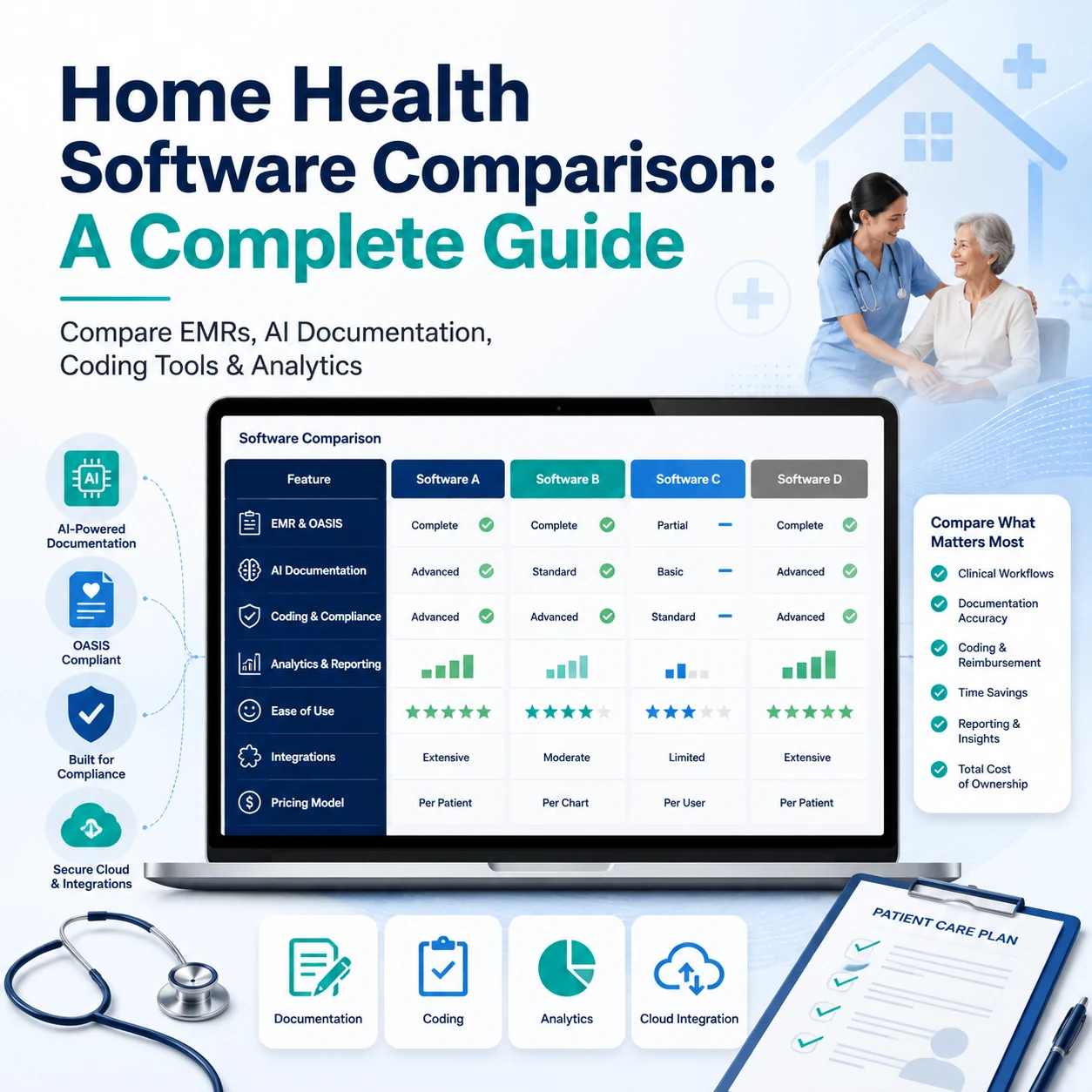
Home Health Software Comparison: A Complete Guide (2026)
The best home health software in 2026 isn't one platform, it's a stack. This guide compares EMRs, AI documentation, coding, OASIS QA, and analytics, with vendor strengths and limitations, comparison tables, and a build-your-stack checklist.

10 Reasons Why Home Health Agencies Are Choosing WellSky (Kinnser)
Selecting an EMR is one of the most important operational decisions a home health agency makes. For more than two decades, WellSky (formerly Kinnser) has stayed a top choice because it was built specifically for home health, not adapted from hospital software. Here are 10 reasons agencies choose it, from OASIS-E and compliance to scheduling, billing, scalability, and AI integration.
Homecare Homebase vs WellSky (Kinnser) vs Axxess: Which Home Health EMR Is Best for Documentation?
Choosing a home health EMR shapes how nurses document, how fast claims go out, and how efficiently your agency runs. Homecare Homebase, WellSky (Kinnser), and Axxess all support OASIS-E and Medicare compliance, but they differ in usability, scalability, and workflow design. This guide compares all three across documentation, OASIS-E, mobile, compliance, AI, and agency size to help you choose.