
Additional Documentation Request (ADR)
Formal request from Medicare or another payer asking a provider to submit medical records.
Definition
An Additional Documentation Request (ADR) is a formal request from Medicare or another payer asking a provider to submit medical records supporting a previously submitted claim.
Why it matters
Timely and complete responses to ADRs are essential to avoid claim denials or payment recoupments.
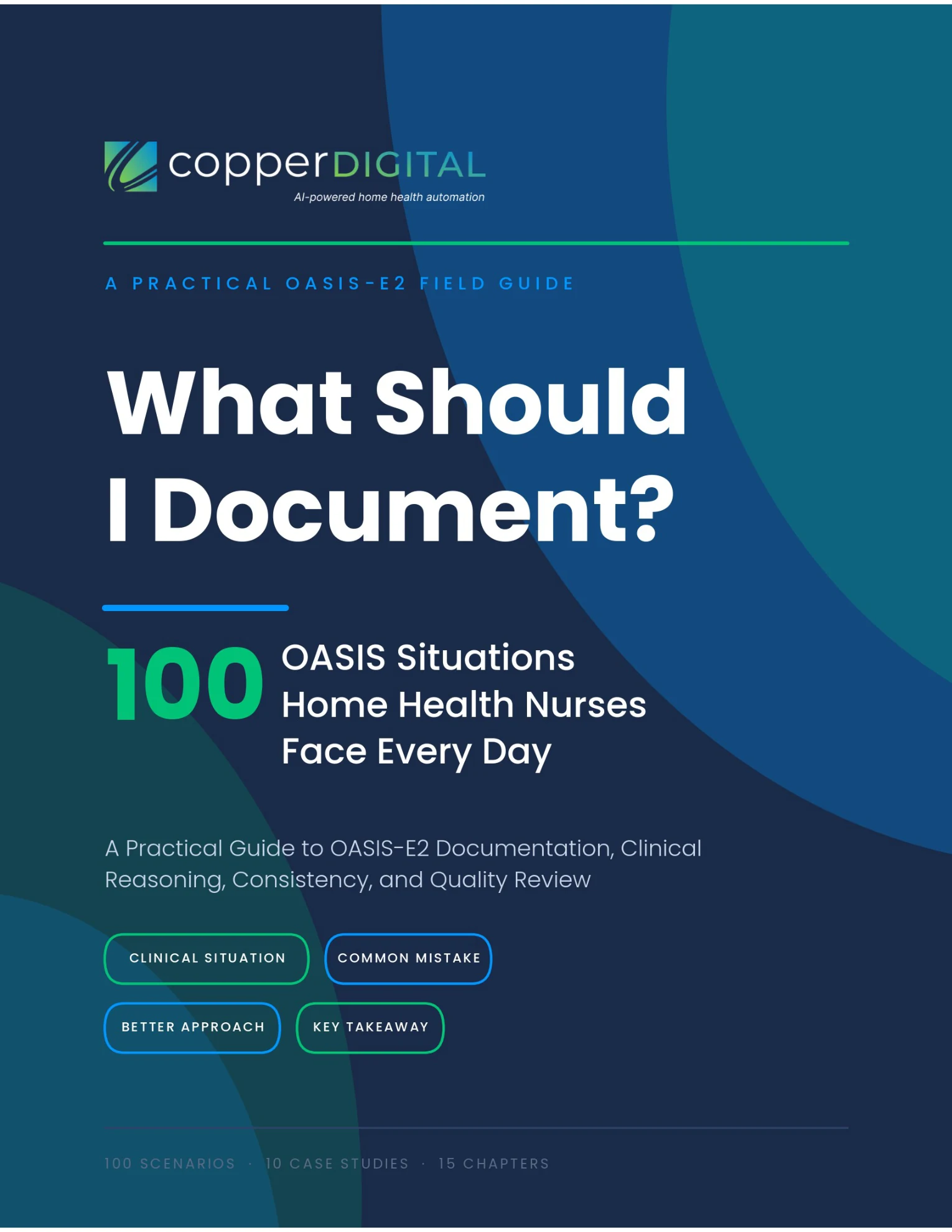
What Should I Document? 100 OASIS Situations Home Health Nurses Face Every Day
100 real OASIS scenarios, worked end to end — clinical situation, common mistake, better approach, and key takeaway. Built around OASIS-E2 (effective April 1, 2026) to turn what you assess into accurate, defensible documentation.
Listen While You Read
Conversations on lupa & pdgm
Episodes from Inside Home Health that put Additional Documentation Request (ADR) in operational context.
 Ep 24
Ep 24 · Sep 16, 2026
83% of Healthcare AI Has NO Governance (Here's Why That's Dangerous) | Dr. Lendra James
 Dr. Lendra James, DNP, MS, RN, NE-BCWatch
 Ep 23
Ep 23 · Aug 17, 2026
The Hidden Spreadsheet Error That's Causing the Nursing Shortage | Robert Wingo
 Robert Wingo, BSN, RN, NI-BCWatch
 Ep 21
Ep 21 · Jul 20, 2026
Why Nurses Stop Using AI Tools After 90 Days | Jennifer Ngure
 Jennifer NgureWatch
Related Blogs
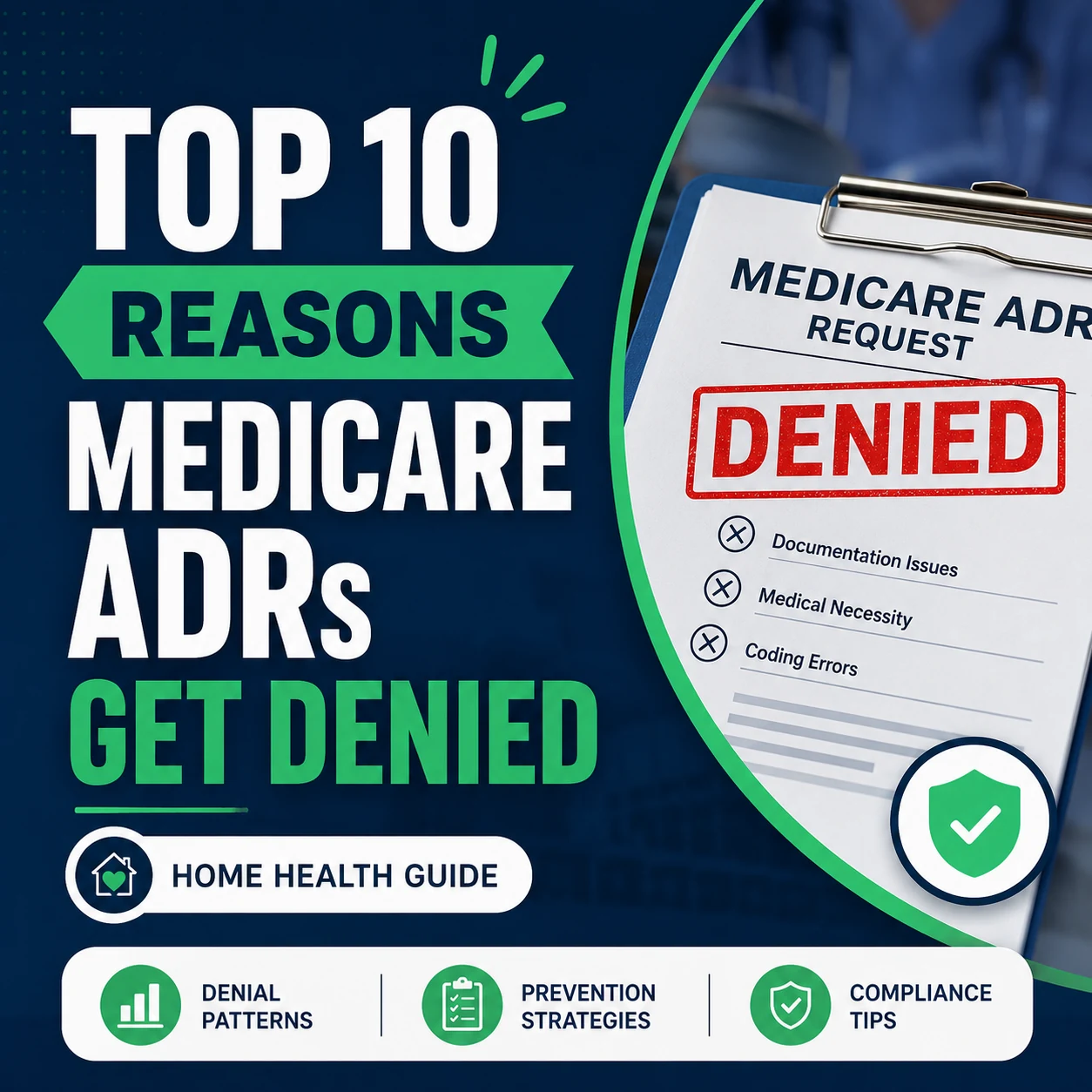
Top 10 Reasons Medicare ADRs Get Denied and How to Prevent Them
A Medicare ADR can turn a routine claim into a major administrative project, and the problem usually isn't the care; it's the documentation. This guide breaks down the 10 most common Medicare ADR denial patterns for home health and hospice, with a practical prevention strategy for each.
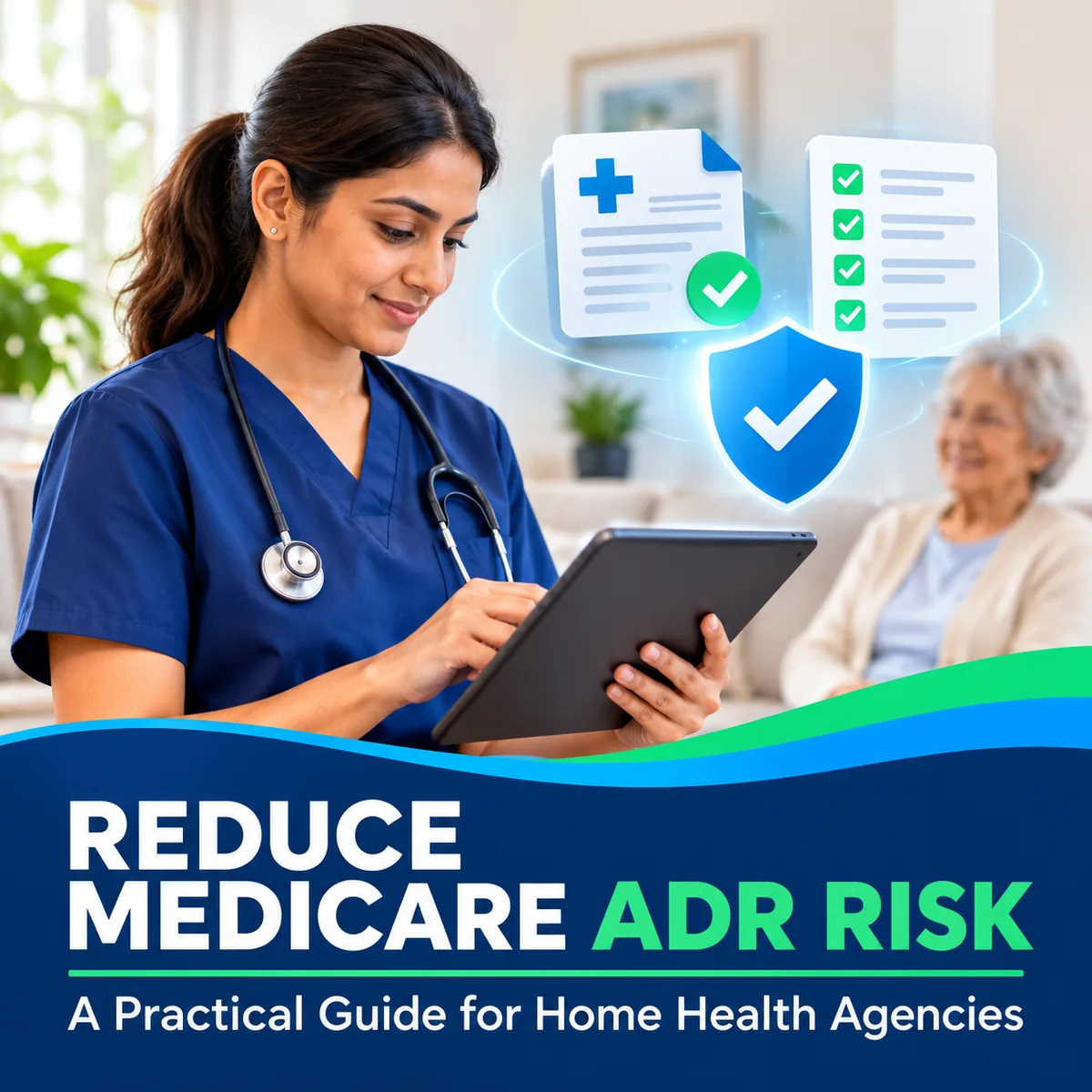
How Can Home Health Agencies Reduce Their Risk of Medicare ADRs? A Practical Guide
Insufficient documentation and medical necessity drive most improper home health payments. Learn how to reduce Medicare ADR risk with stronger documentation, pre-claim audits, PEPPER monitoring, and a clear response process.
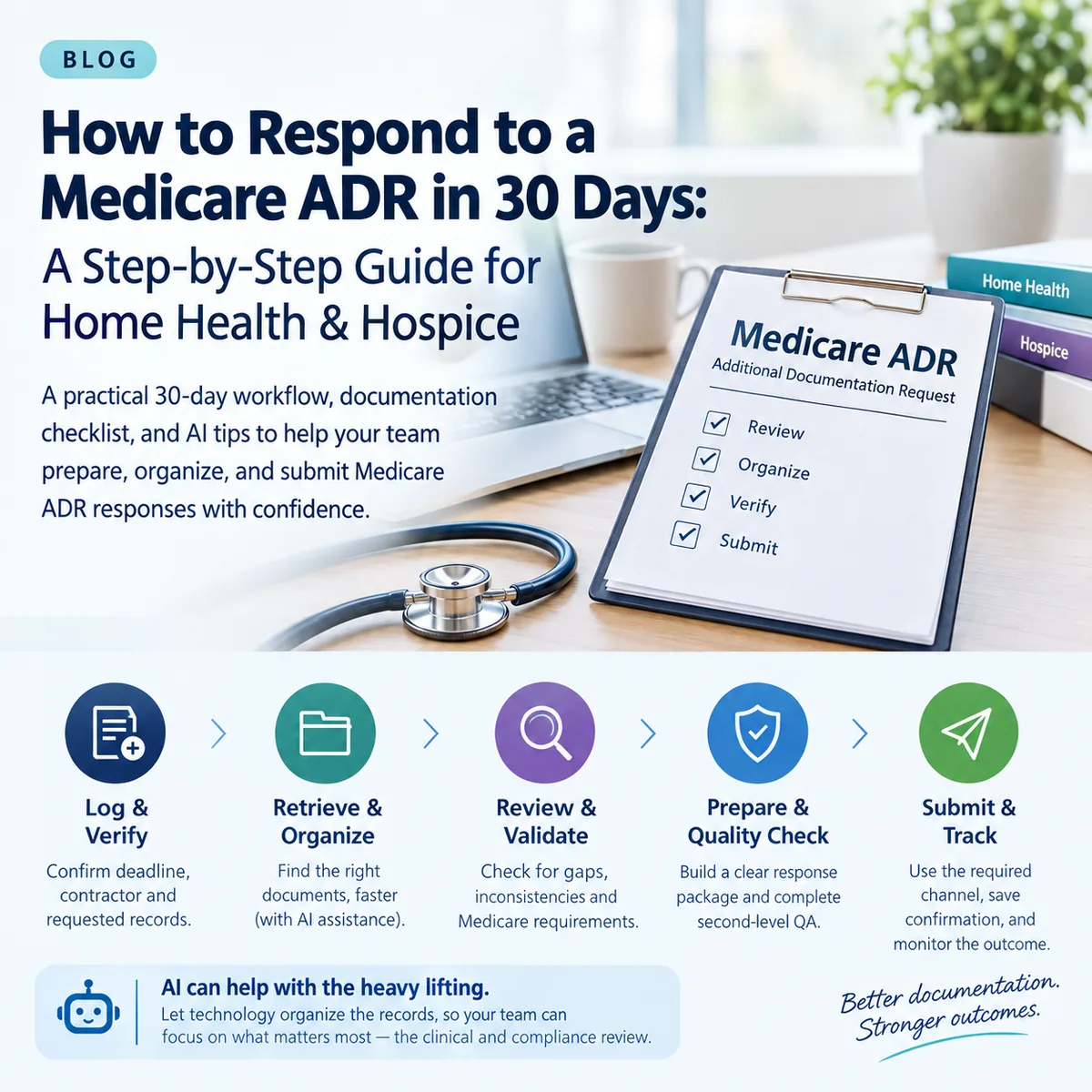
How to Respond to a Medicare ADR in 30 Days: A Step-by-Step Guide for Home Health & Hospice
A Medicare ADR turns an ordinary claim into a time-sensitive compliance project. Not every ADR is due in 30 days, so the goal isn't to "respond in 30 days" but to have a process that moves quickly, consistently, and defensibly. Here's a practical day-by-day workflow for home health and hospice, plus where AI can help.
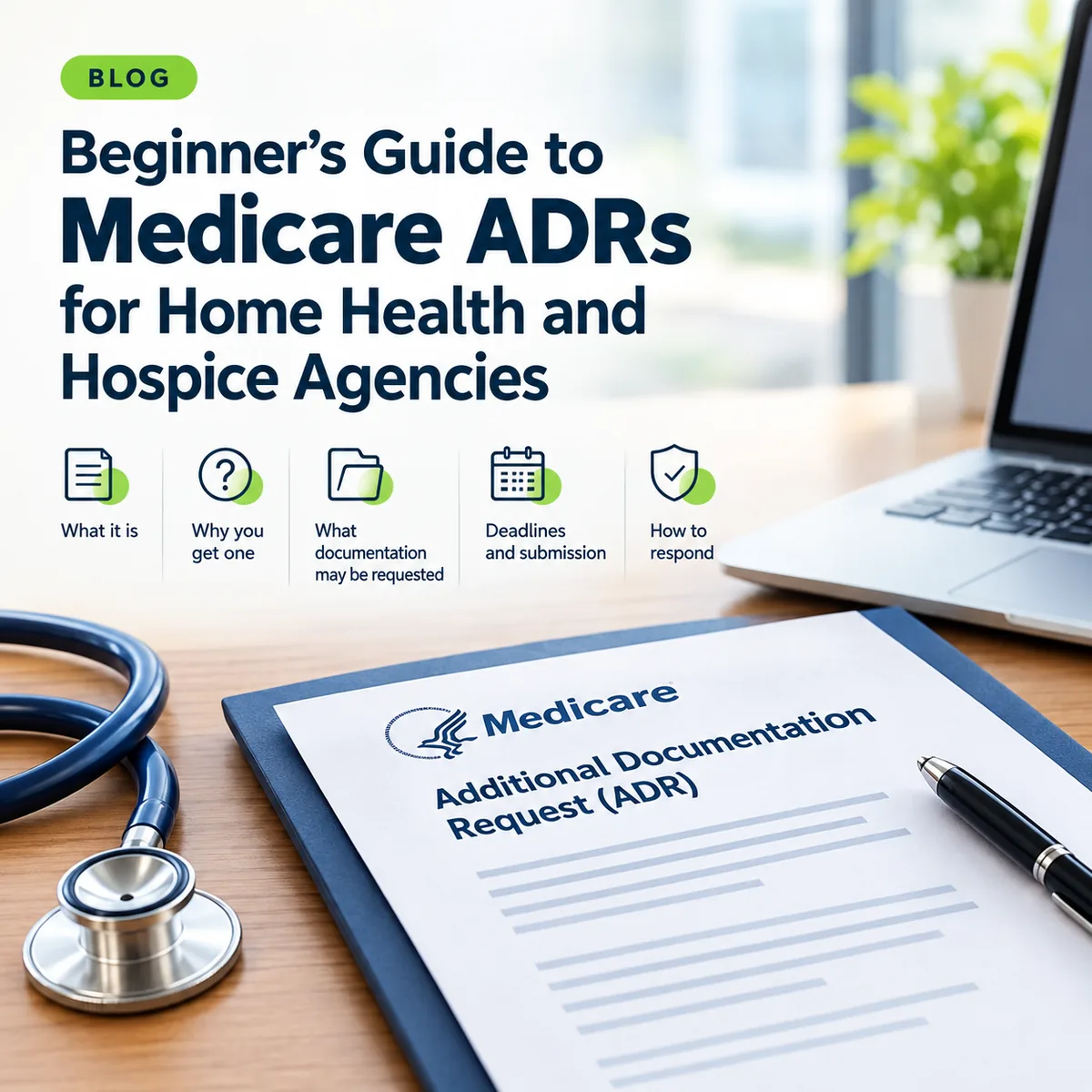
Beginner's Guide to Medicare ADRs for Home Health and Hospice Agencies
A letter from Medicare asking for additional records raises fast questions: what do they need, why this claim, how long do we have? That letter is often an Additional Documentation Request (ADR). Here's what an ADR is, why home health and hospice agencies get them, what's requested, the deadlines, and how to respond.
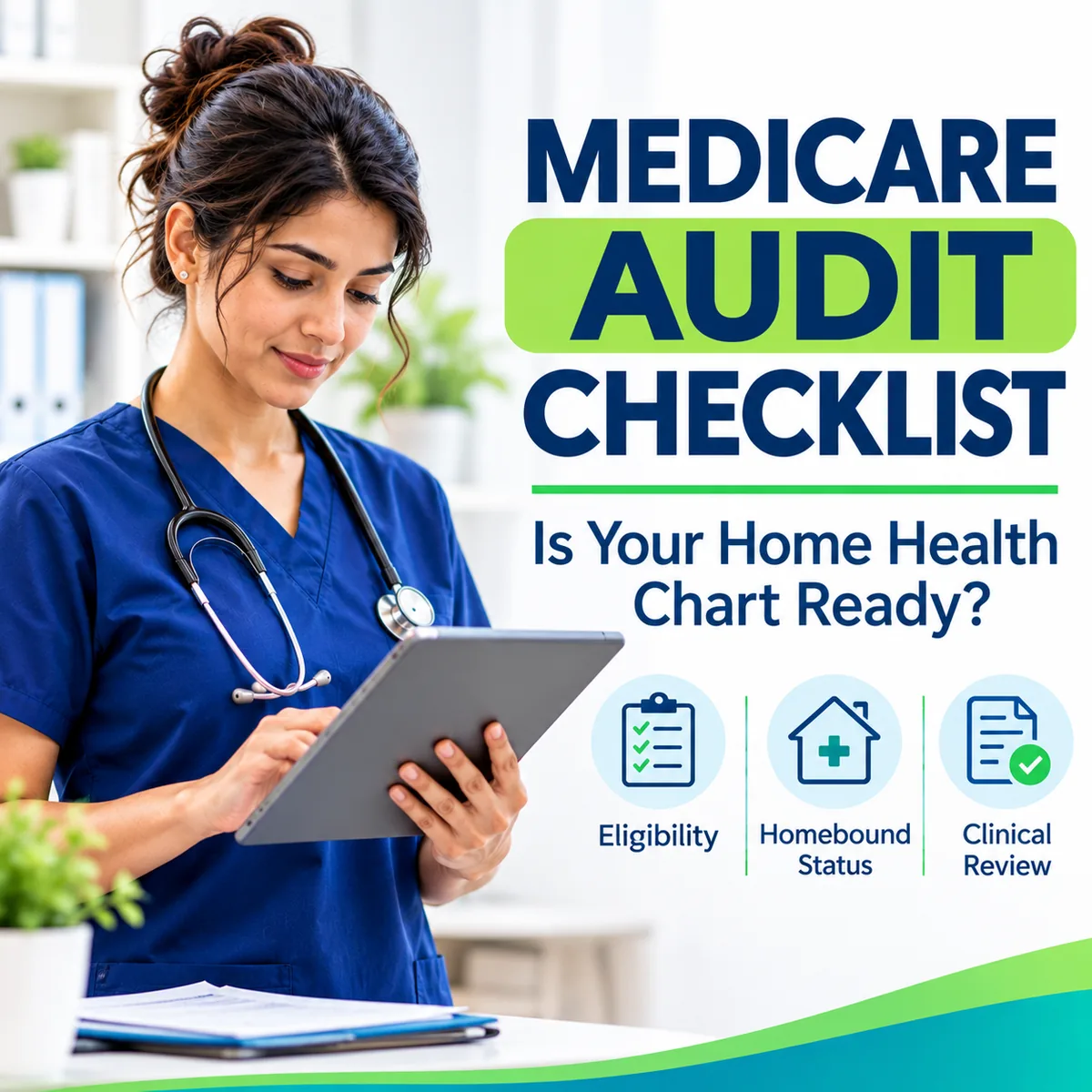
How to Prepare a Home Health Chart for a Medicare Audit: A Complete Checklist
A chart can contain plenty of documentation and still fail a Medicare review. Use this checklist to verify eligibility, homebound status, skilled need, face-to-face, plan of care, orders, OASIS, and billed services before you submit.