
AI in Home Health
Artificial intelligence (AI) in home health is the application of machine learning and large language models to agency workflows: drafting visit documentation, suggesting ICD-10 codes, flagging OASIS inconsistencies, optimizing schedules, and predicting hospitalization risk. Adoption accelerated sharply after 2023 as language models became capable of handling clinical narrative, the dominant data type in home health.
Definition
Artificial intelligence (AI) in home health is the application of machine learning and large language models to agency workflows: drafting visit documentation, suggesting ICD-10 codes, flagging OASIS inconsistencies, optimizing schedules, and predicting hospitalization risk. Adoption accelerated sharply after 2023 as language models became capable of handling clinical narrative, the dominant data type in home health.
Why it matters
AI in Home Health is part of the OASIS & Assessment vocabulary used across home health operations, documentation, and revenue cycle. Understanding it helps clinicians, QA leads, and administrators stay aligned on care quality and compliance.
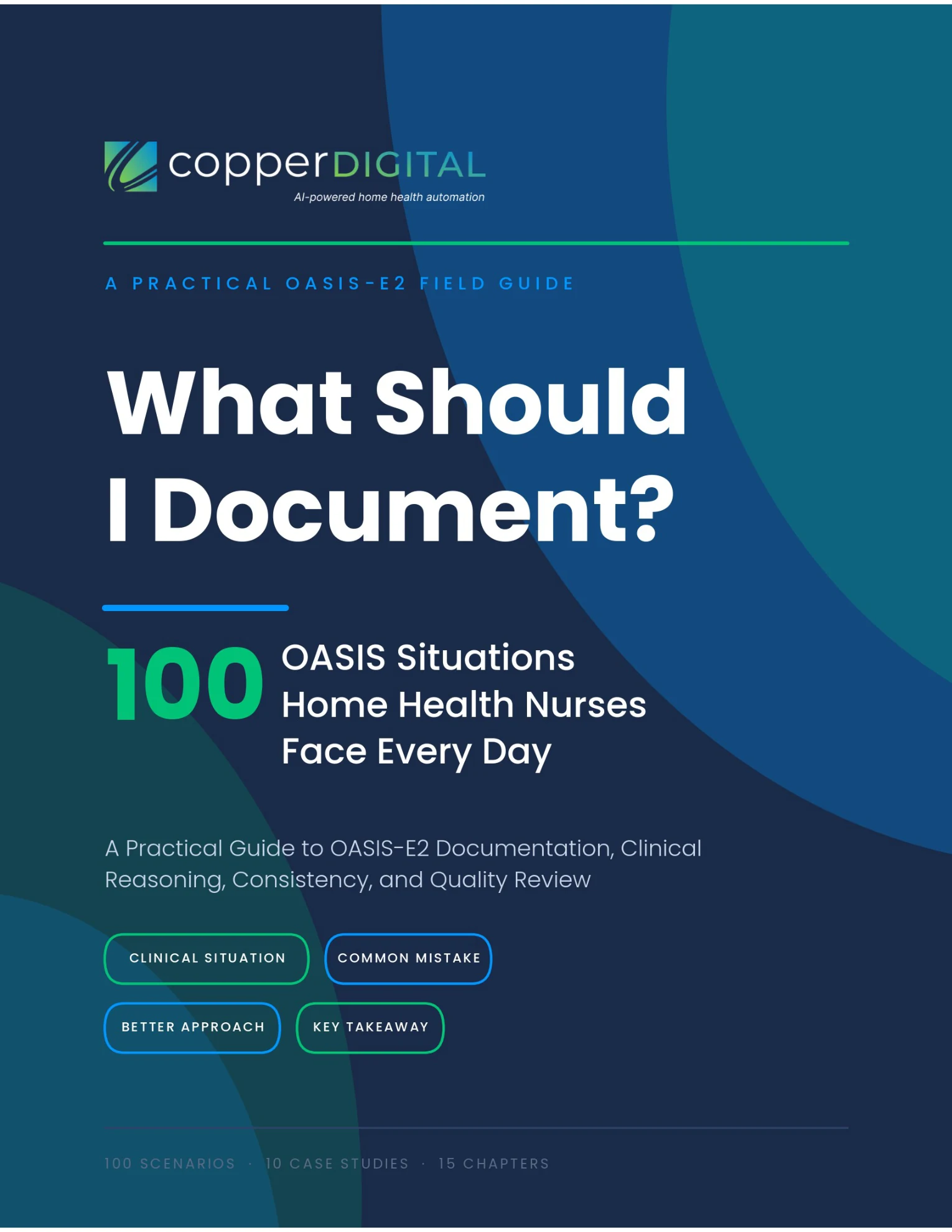
What Should I Document? 100 OASIS Situations Home Health Nurses Face Every Day
100 real OASIS scenarios, worked end to end — clinical situation, common mistake, better approach, and key takeaway. Built around OASIS-E2 (effective April 1, 2026) to turn what you assess into accurate, defensible documentation.
Related terms
Listen While You Read
Conversations on oasis & assessment
Episodes from Inside Home Health that put AI in Home Health in operational context.
 Ep 25
Ep 25 · Oct 5, 2026
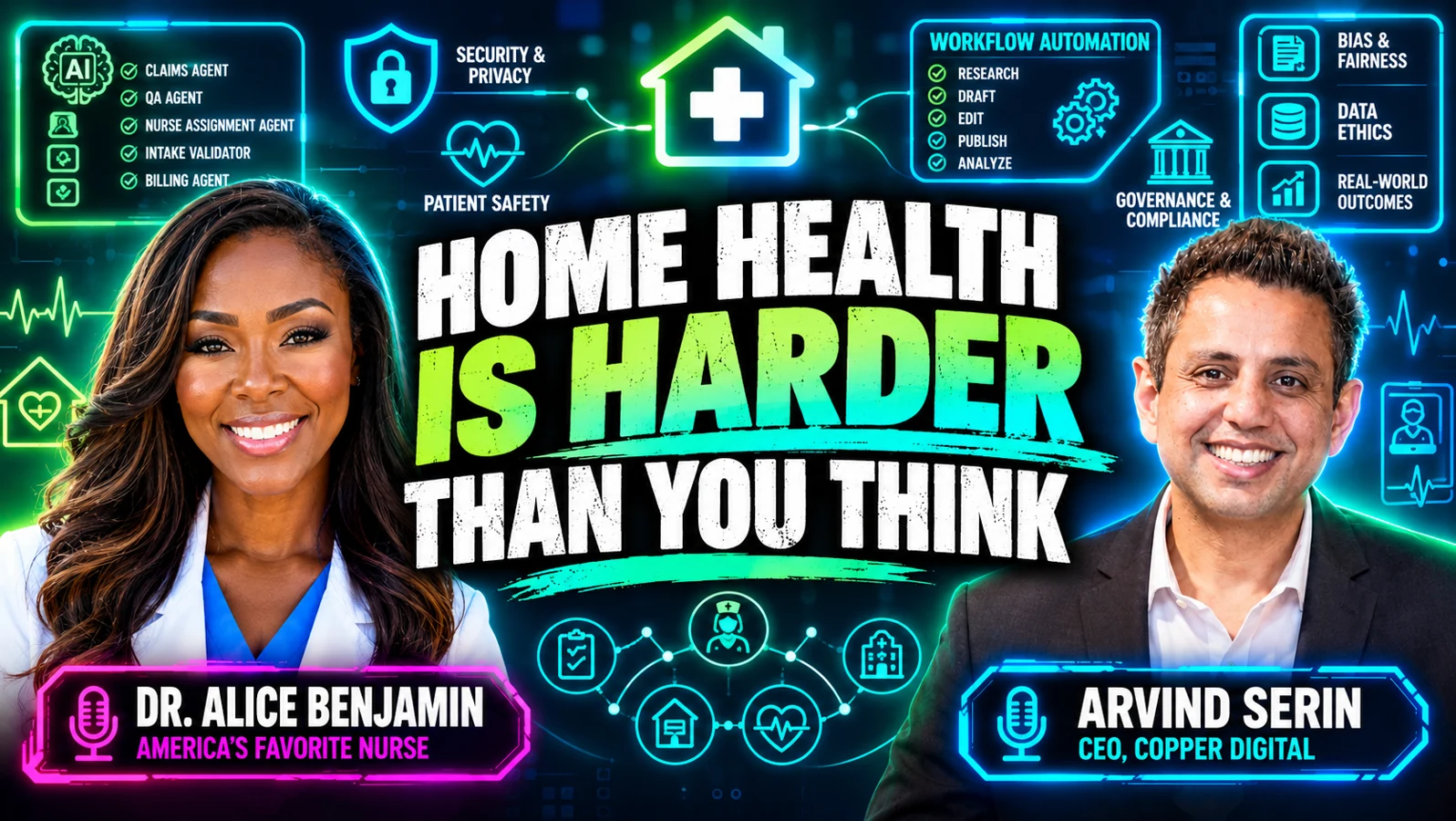
Home Health Is NOT “Easy” Anymore: The Hidden Complexity of Care at Home | Nurse Alice Benjamin
 Nurse Alice BenjaminWatch
 Ep 22
Ep 22 · Jul 27, 2026
How AI Can Give Clinicians Their Time Back
 Genevieve FomWatch
 Ep 20
Ep 20 · Jul 13, 2026
The Real Cost of Ignoring Nurse Burnout | Jennifer Johnson
 Jennifer JohnsonWatch
Related Blogs
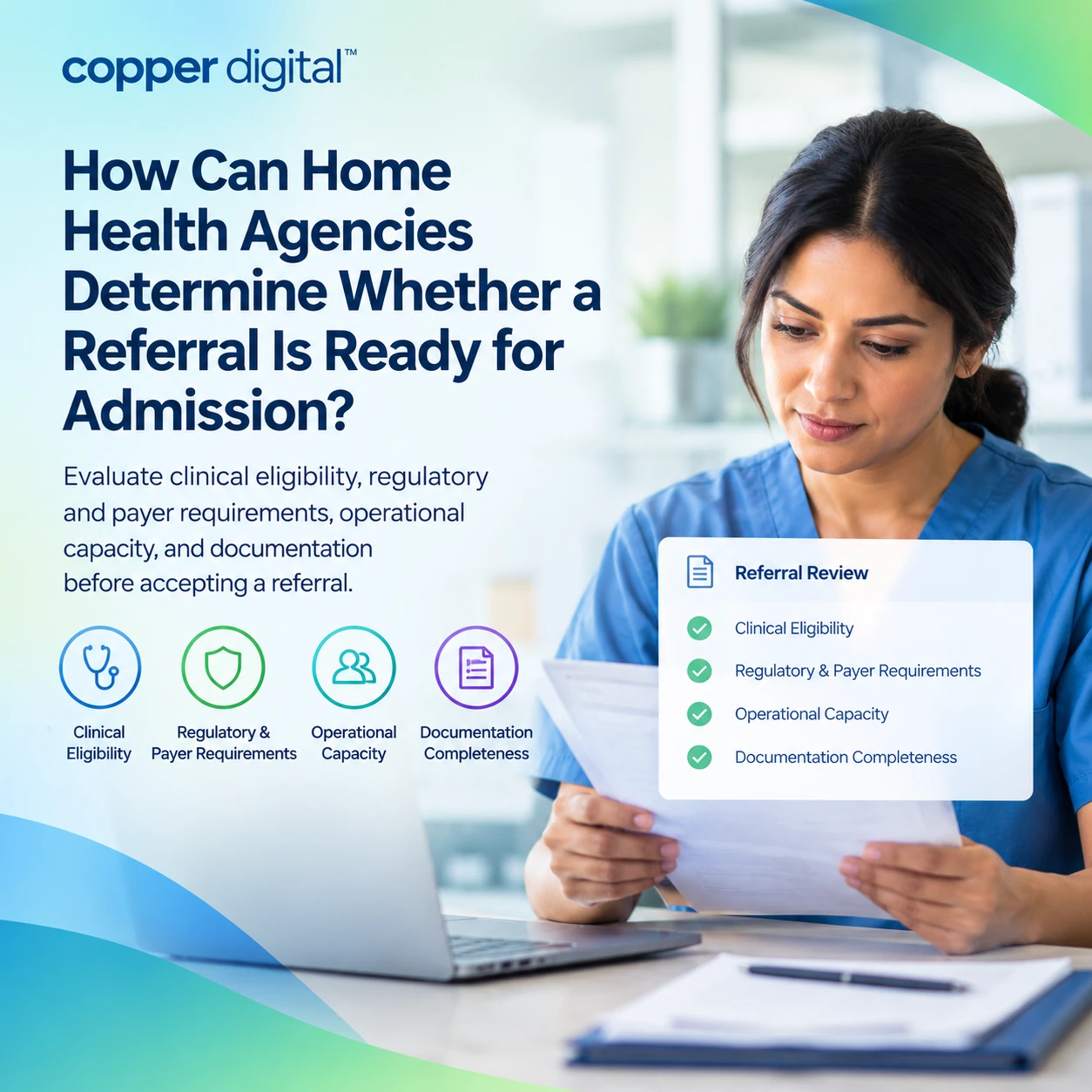
How Can Home Health Agencies Determine Whether a Referral Is Ready for Admission?
A practical framework for checking clinical eligibility, payer requirements, staffing capacity, and documentation before accepting a home health referral.
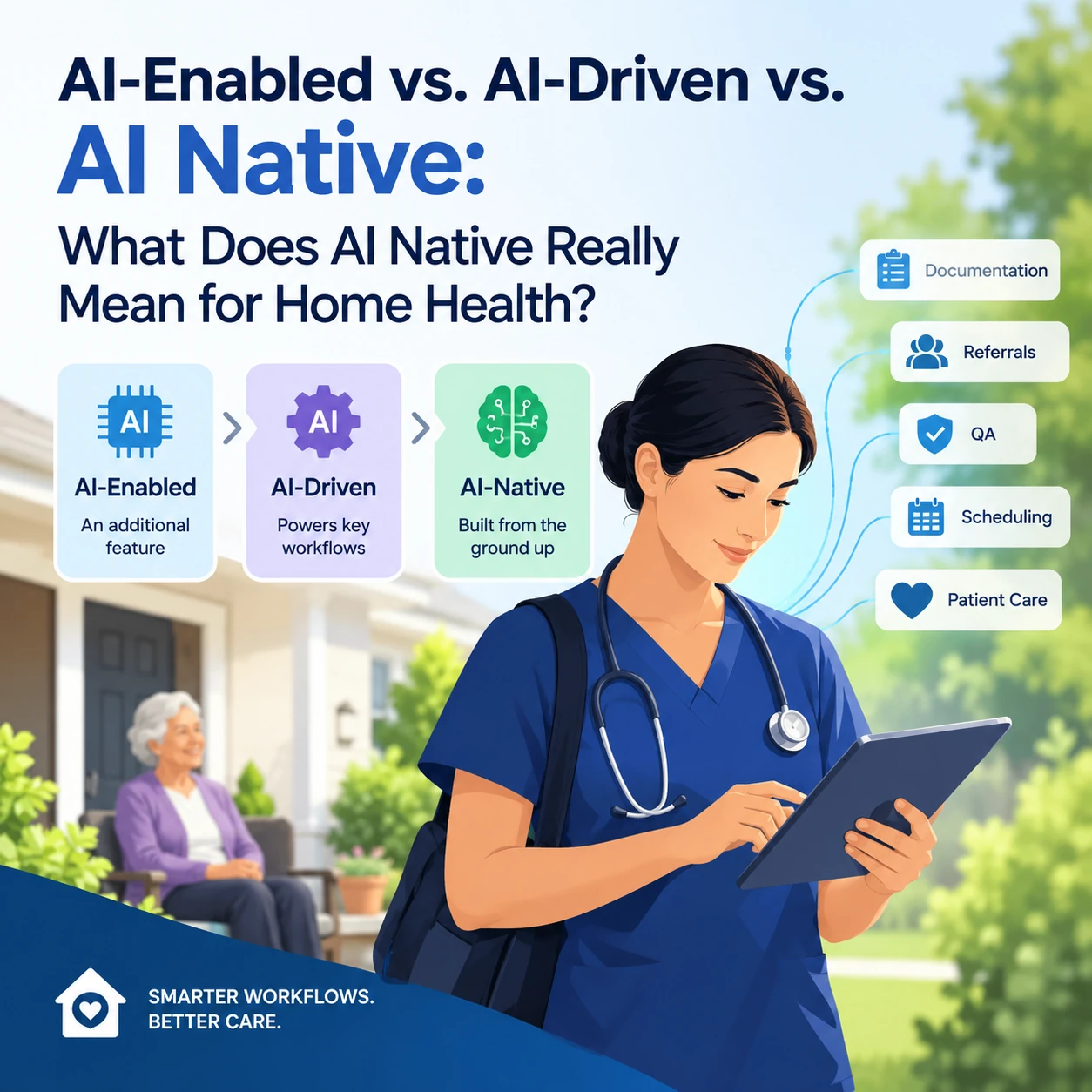
AI-Enabled vs. AI-Driven vs. AI Native: What Does AI Native Really Mean for Home Health?
Understand the difference between AI-enabled, AI-driven, and AI-native home health software—and how to evaluate architecture, connected workflows, governance, and real work reduction.
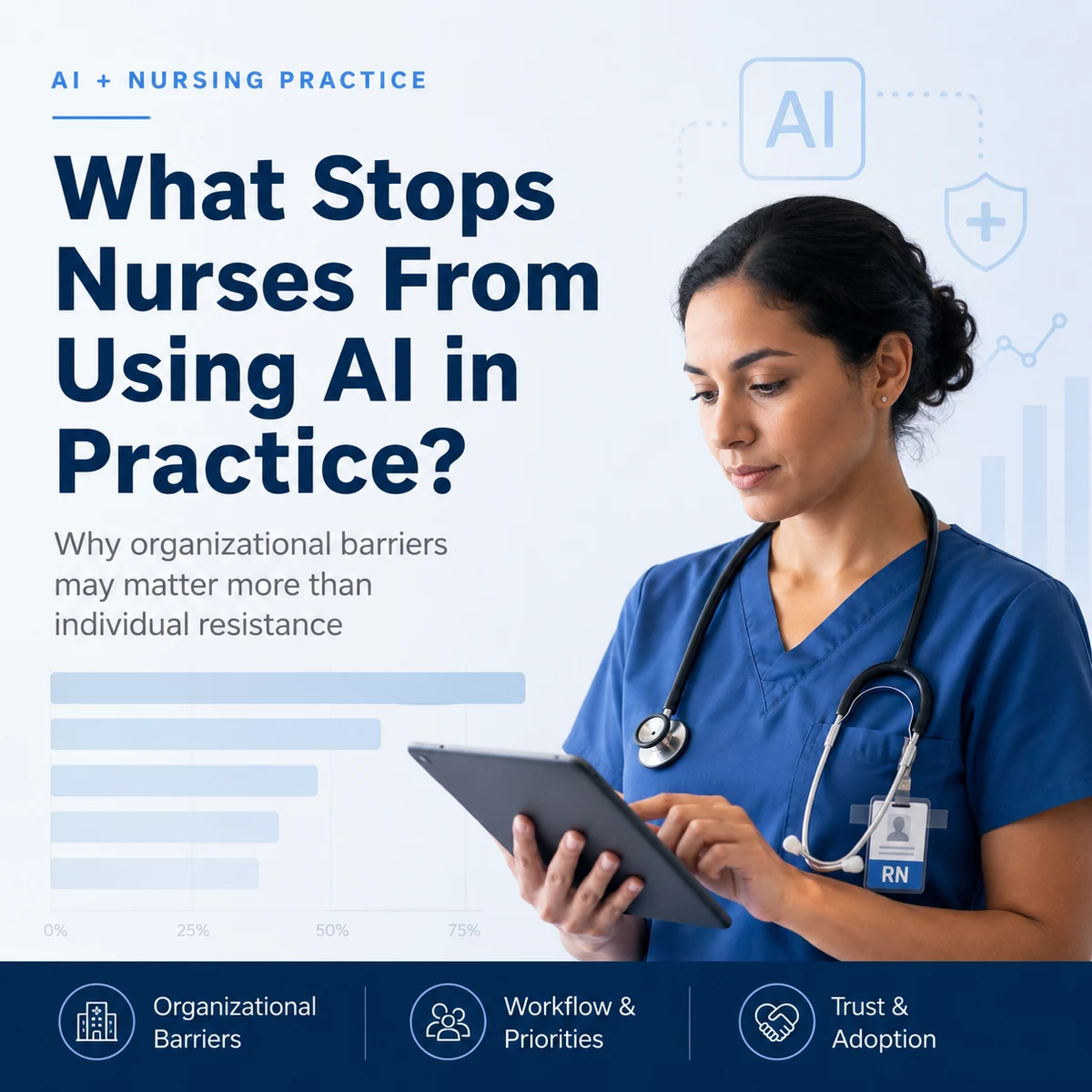
What Stops Nurses From Using AI in Practice?
AI adoption is usually framed as a clinician problem, but a 42-nurse course evaluation found the top barrier was organizational policy and IT restrictions (21 of 42), not distrust or fear. This guide breaks down 12 real barriers (governance, patient trust, competing priorities, time, workflow friction, privacy, burnout, and more) and the seven conditions that make nurses actually adopt AI.
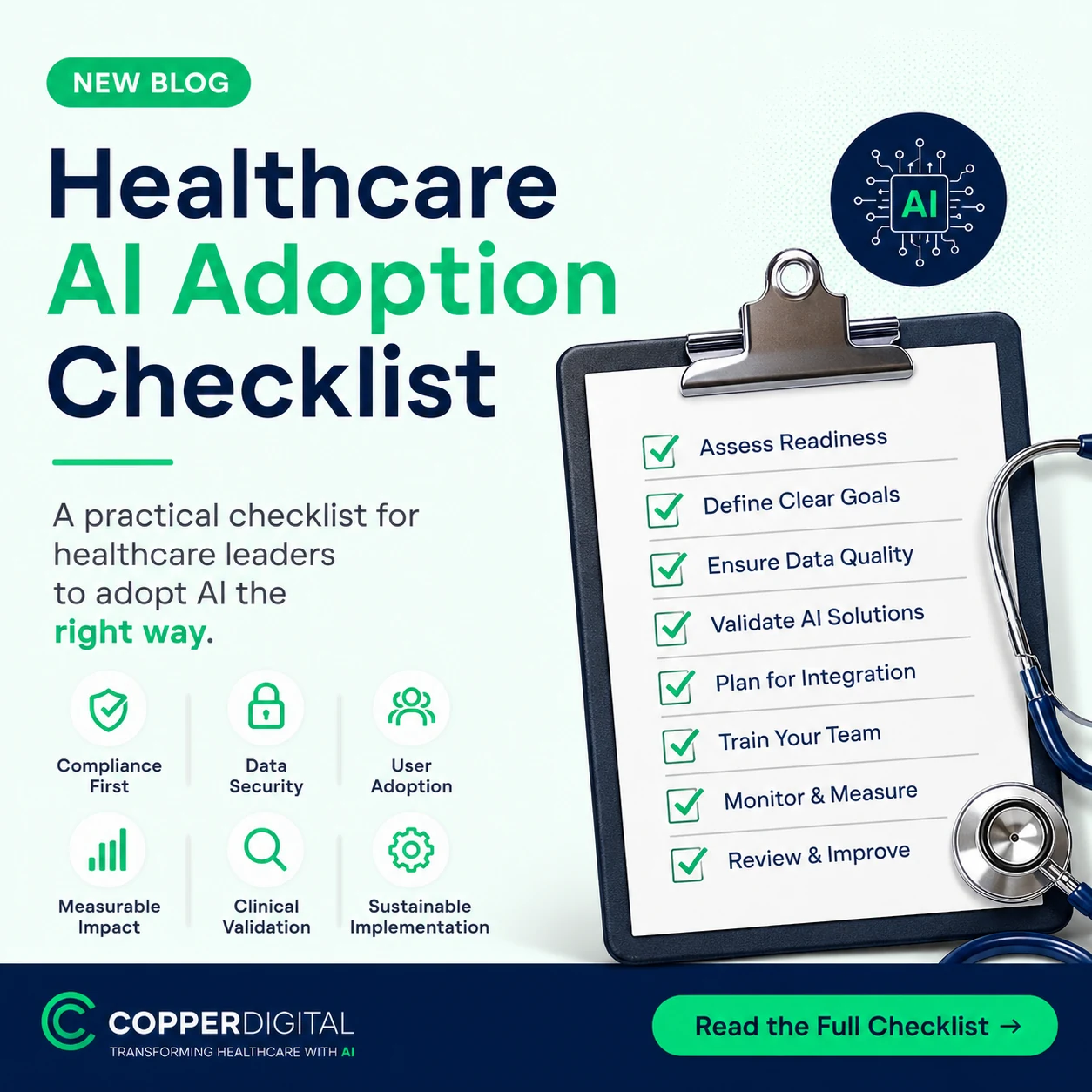
Healthcare AI Adoption Checklist: A Practical Guide for Home Health Agencies
Buying AI software is the easy part, implementing it well is where agencies succeed or fail. This step-by-step healthcare AI adoption checklist covers defining the problem, involving clinicians, verifying security, EMR integration, training, piloting, and measuring success.