
OASIS-E2
OASIS-E2 is the current version of the Outcome and Assessment Information Set, effective for home health assessments completed on or after April 1, 2026. It replaced OASIS-E1 with a short list of item changes: M0069 (Gender) was replaced by A0810 (Sex), the A1250 transportation item was replaced by A1255, and the COVID-19 vaccination item O0350 was removed.
Definition
OASIS-E2 is the current version of the Outcome and Assessment Information Set, effective for home health assessments completed on or after April 1, 2026. It replaced OASIS-E1 with a short list of item changes: M0069 (Gender) was replaced by A0810 (Sex), the A1250 transportation item was replaced by A1255, and the COVID-19 vaccination item O0350 was removed.
Why it matters
OASIS-E2 is part of the OASIS & Assessment vocabulary used across home health operations, documentation, and revenue cycle. Understanding it helps clinicians, QA leads, and administrators stay aligned on care quality and compliance.
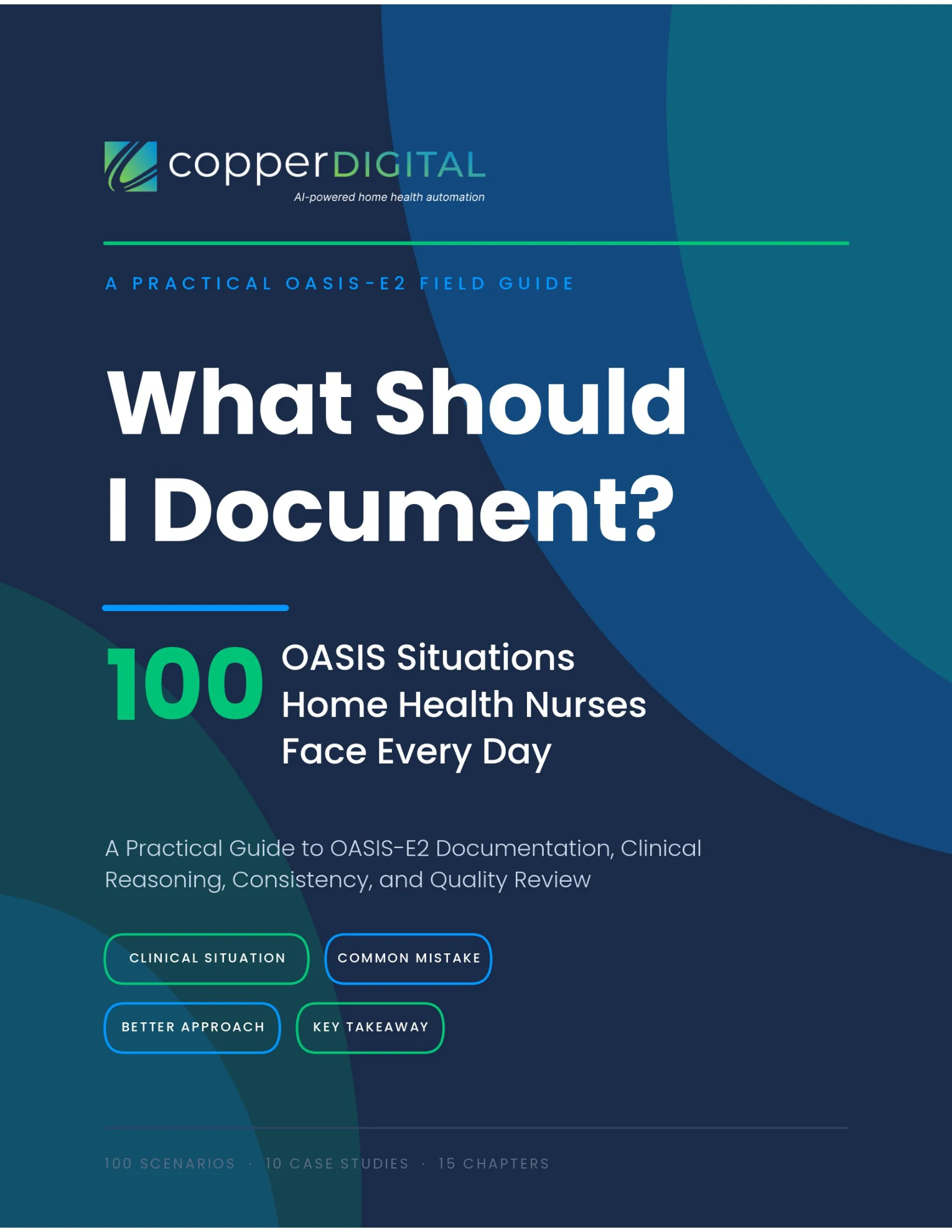
What Should I Document? 100 OASIS Situations Home Health Nurses Face Every Day
100 real OASIS scenarios, worked end to end — clinical situation, common mistake, better approach, and key takeaway. Built around OASIS-E2 (effective April 1, 2026) to turn what you assess into accurate, defensible documentation.
Related terms
Listen While You Read
Conversations on oasis & assessment
Episodes from Inside Home Health that put OASIS-E2 in operational context.






Related Blogs
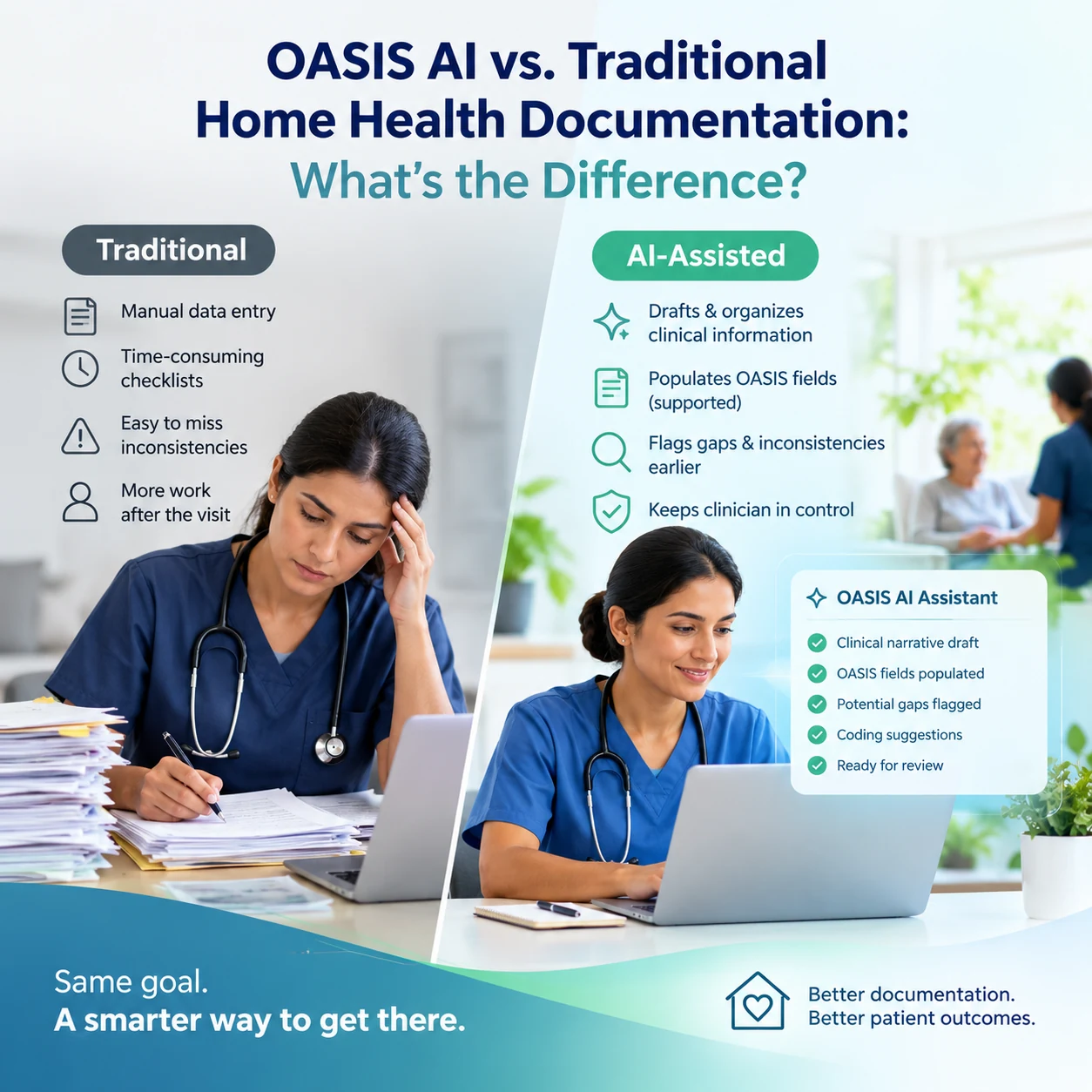
OASIS AI vs. Traditional Home Health Documentation: What’s the Difference?
Explore how AI-assisted OASIS documentation differs from traditional workflows, where it can reduce repetitive work, and why clinician review remains essential.
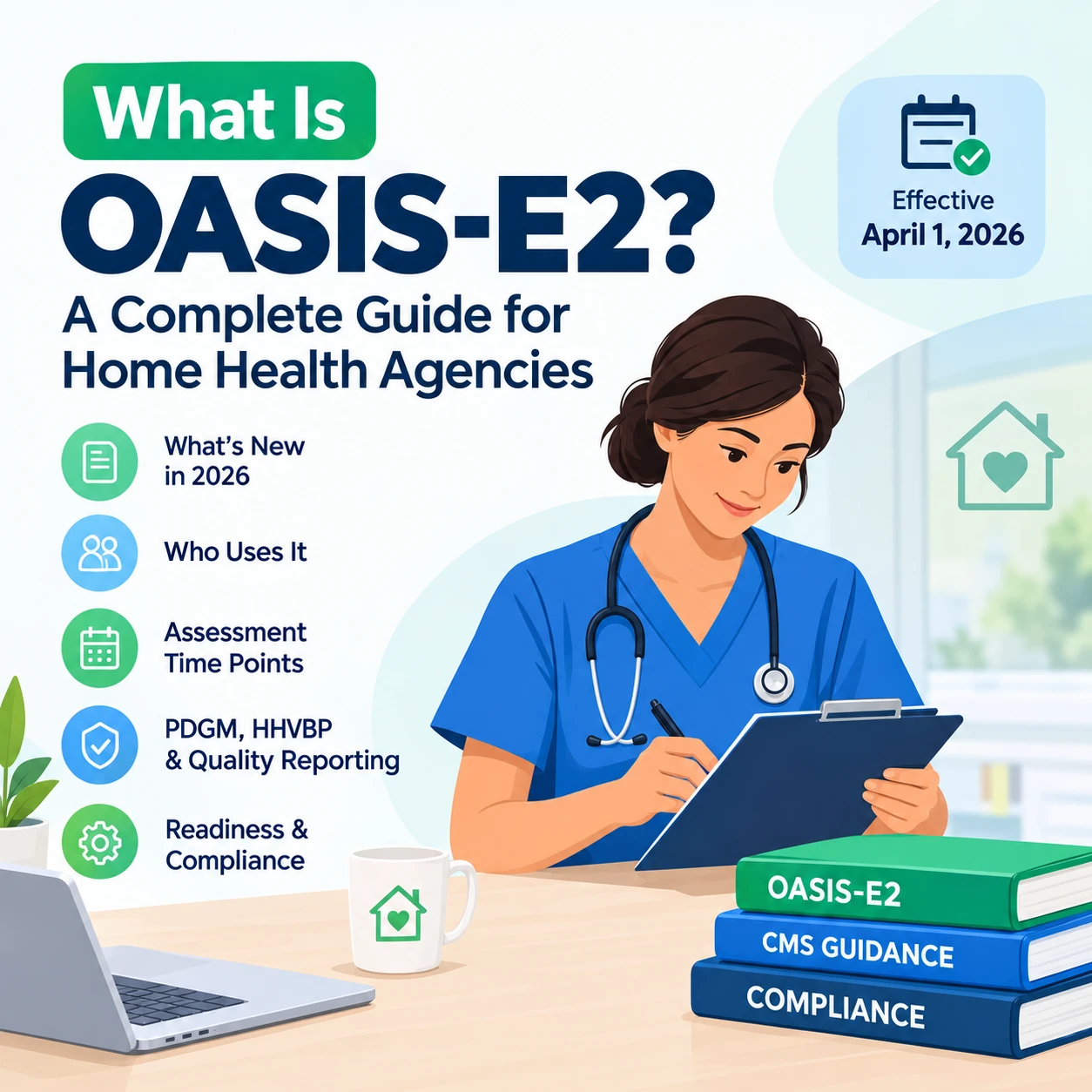
What Is OASIS-E2? A Complete Guide for Home Health Agencies
A practical guide to OASIS-E2: assessment changes, time points, quality and payment uses, EHR and iQIES readiness, and AI support that keeps clinicians in control.
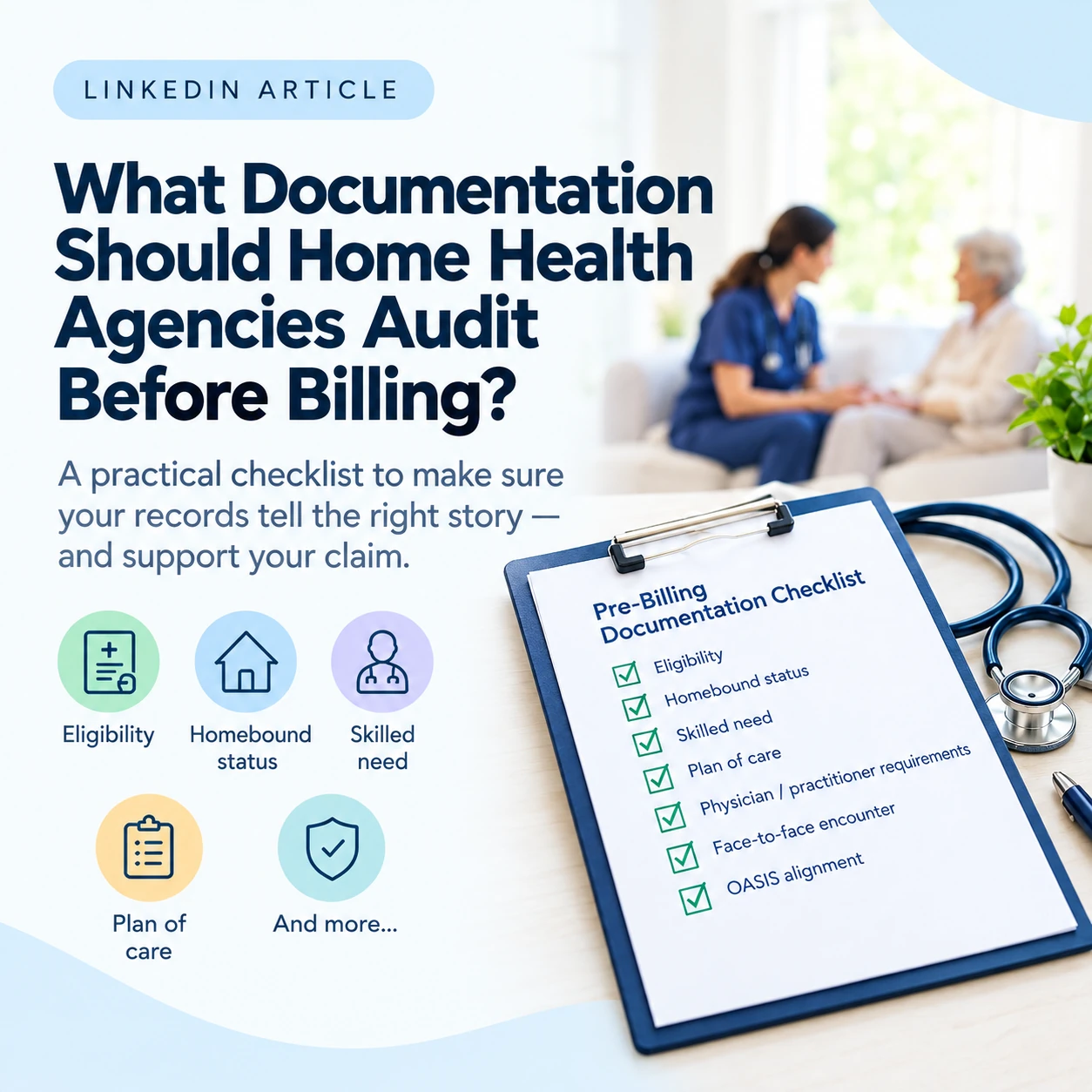
What Documentation Should Home Health Agencies Audit Before Billing?
Before billing, confirm that eligibility, medical necessity, orders, OASIS-E2, coding, and visit documentation tell a consistent story and support the services on the claim.
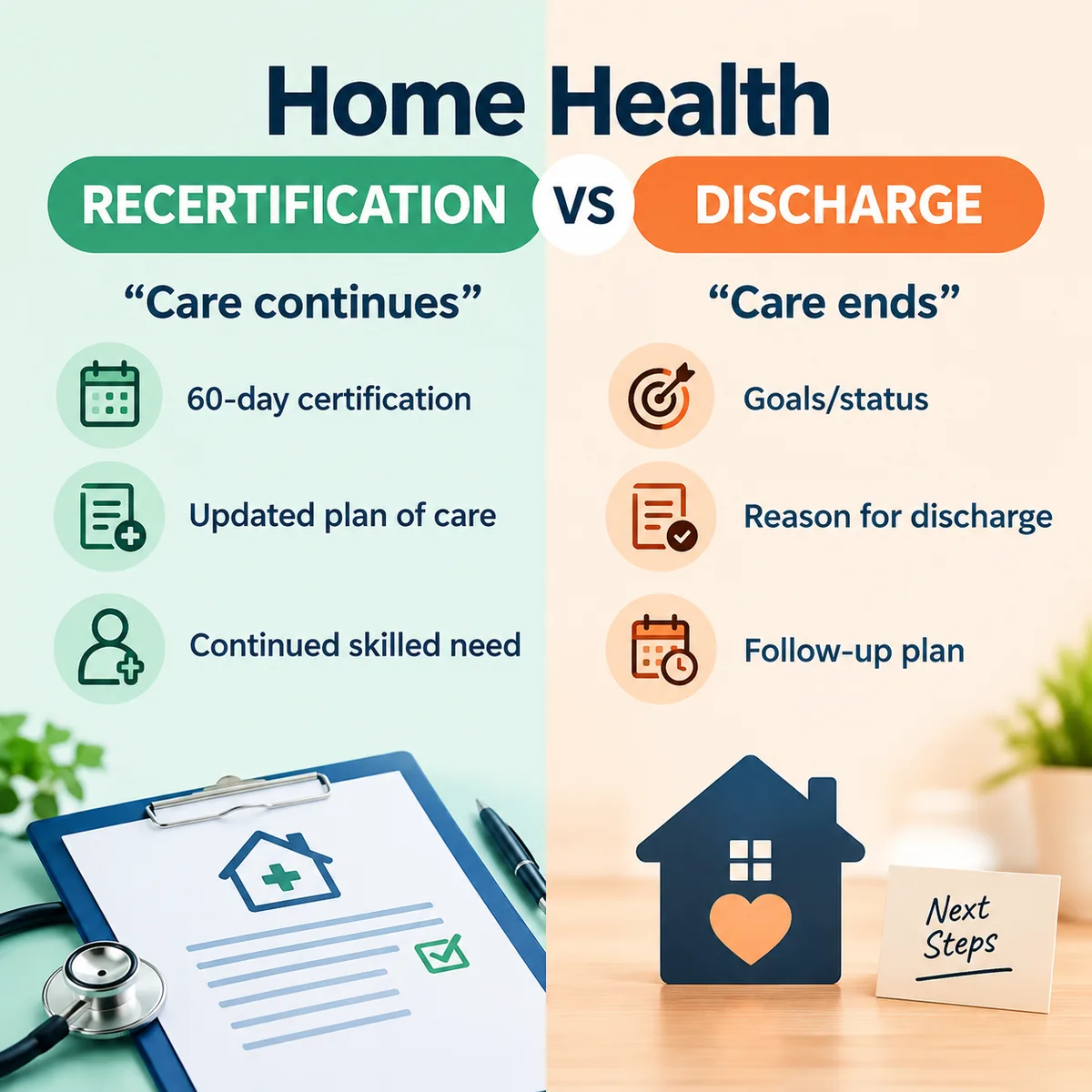
Home Health Recertification vs Discharge: What Are the Key Differences?
Recertification and discharge look similar: both involve assessment, documentation, and physician communication, but they answer two different questions: does the patient still need home health, or is it time for care to end? Here's how the timing, OASIS, and documentation differ.
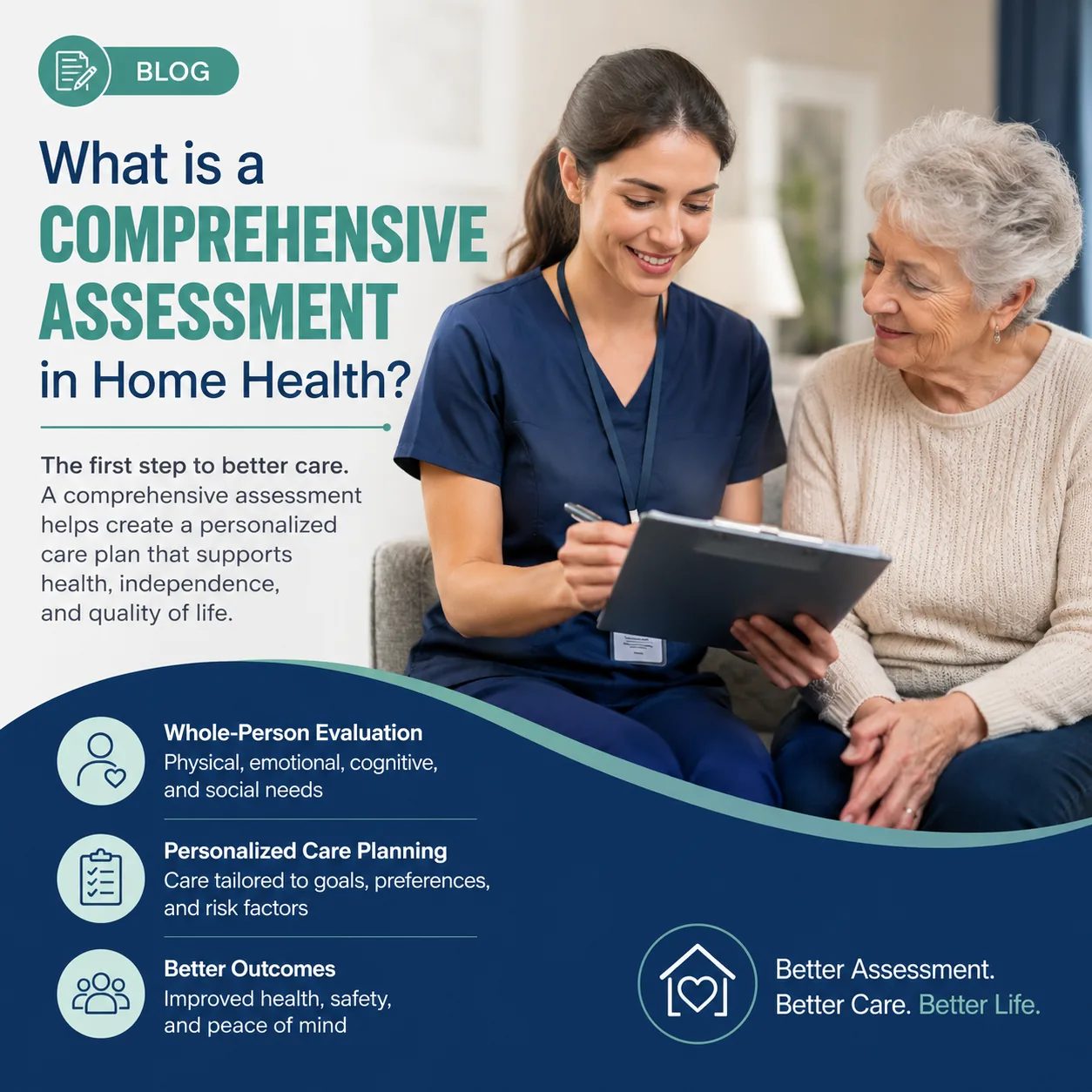
What Is a Comprehensive Assessment in Home Health?
A complete guide to comprehensive assessments in home health: required content, current Medicare timing, OASIS-E2, clinician responsibility, care planning, documentation errors, and a practical checklist.