
What Is OASIS-E? The Complete Guide for Home Health Agencies (2026)
OASIS-E is the CMS-required standardized assessment behind home health reimbursement, quality, and compliance. This complete guide covers what OASIS-E is, how it differs from D1/E1/E2, the five assessment time points, Section GG, PDGM impact, and documentation best practices.
Key Takeaways
- OASIS-E is the CMS-required standardized assessment used by every Medicare-certified home health agency.
- OASIS data determines PDGM reimbursement, quality reporting, HHVBP performance, Star Ratings, and CMS oversight.
- OASIS assessments must be completed at five required time points during a patient's episode.
- OASIS-E introduced SPADEs, Section GG functional scoring, and expanded Social Determinants of Health.
- OASIS-E2 is the current version, effective in 2026.
- Documentation errors can lead to payment reductions, claim delays, lower quality scores, and audit risk.
- AI-assisted documentation helps agencies reduce after-hours charting while maintaining clinician oversight.
💡 Quick Answer: OASIS-E is the CMS-required standardized patient assessment (Outcome and Assessment Information Set) that every Medicare-certified home health agency must complete. Effective January 2023 (with OASIS-E1 in 2025 and OASIS-E2 the current version in 2026), it added Standardized Patient Assessment Data Elements (SPADEs), expanded Section GG functional scoring, and Social Determinants of Health. OASIS data drives PDGM reimbursement, HHVBP, Star Ratings, and CMS oversight.
If you work in home health, few documents have a bigger impact on your agency than OASIS-E. Every Start of Care, Resumption of Care, Recertification, Transfer, and Discharge assessment feeds data that affects reimbursement, quality scores, and compliance.
Yet OASIS remains one of the most misunderstood documentation requirements in home healthcare. Many clinicians know how to complete an assessment but not why certain questions exist, how Section GG affects payment, or why Social Determinants of Health now matter.
The transition from OASIS-D1 to OASIS-E, followed by OASIS-E1 (2025) and OASIS-E2 (2026), represents one of the largest changes to home health documentation in years. For agency owners, DONs, QA teams, coders, and field clinicians, understanding OASIS-E is no longer optional. This guide explains everything you need to know.
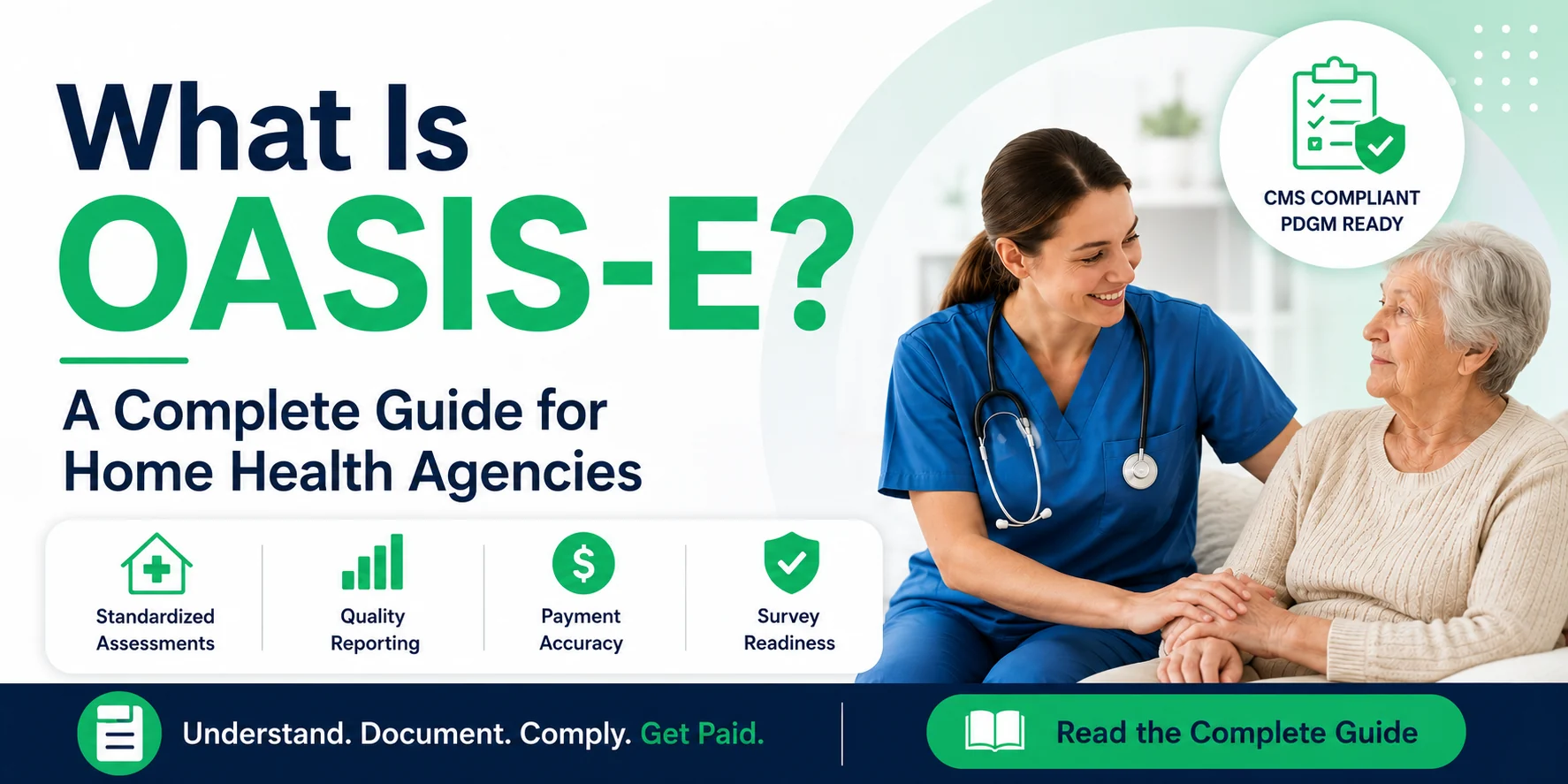
OASIS-E is the CMS-required standardized assessment behind payment accuracy, quality reporting, and survey readiness.
What is OASIS?
OASIS stands for Outcome and Assessment Information Set. It is a standardized patient assessment developed by the Centers for Medicare & Medicaid Services (CMS) and completed by every Medicare-certified home health agency. Rather than a simple nursing assessment, it captures standardized information about a patient's clinical condition, function, and needs.
CMS uses this information to evaluate patient outcomes, determine reimbursement under the Patient-Driven Groupings Model (PDGM), measure agency quality, and support oversight. Because every agency completes the same standardized assessment, CMS can compare outcomes across thousands of agencies.
What is an OASIS Assessment?
An OASIS assessment is the structured clinical evaluation completed by a qualified home health clinician, typically an RN, PT, OT, or SLP. It combines the clinician's in-home evaluation with standardized CMS items covering:
- Medical diagnoses
- Functional status
- Cognitive abilities
- Medication management
- Mobility and self-care
- Behavioral health
- Pain
- Wounds
- Therapy requirements
- Caregiver support
- Social Determinants of Health
- Risk factors
Historically, clinicians documented these manually on paper or in EMRs. Today, many agencies use AI-assisted documentation to capture clinical conversations, organize findings, and generate structured OASIS documentation for clinician review, reducing administrative burden while preserving oversight.
What is OASIS-E?
OASIS-E is the modernized version of the Outcome and Assessment Information Set introduced by CMS on January 1, 2023, replacing OASIS-D1. It reflects CMS's growing emphasis on standardized assessment, value-based care, health equity, and interoperability across post-acute care. Compared with previous versions, OASIS-E expanded requirements related to:
- Social Determinants of Health (SDOH)
- Health literacy
- Transportation barriers
- Living situation
- Functional mobility
- Self-care assessment
- Behavioral health
- Cognitive screening
- Care coordination
OASIS Versions Explained (D1 vs E vs E1 vs E2)
CMS continues refining OASIS as healthcare evolves. For a deeper look at the latest transition, see OASIS-E1 vs OASIS-E2.
| Version | Effective Date | Major Changes |
|---|---|---|
| OASIS-D1 | January 2020 | PDGM preparation |
| OASIS-E | January 2023 | SPADEs, Section GG, SDOH |
| OASIS-E1 | January 2025 | Updated assessment items and guidance |
| OASIS-E2 | January 2026 | Current version with refined functional, cognitive, and SDOH assessments |
While each version builds on the previous one, agencies should always ensure clinicians are trained on the latest CMS guidance and assessment specifications.
What Changed from OASIS-D to OASIS-E?
The transition from OASIS-D1 to OASIS-E was much more than a routine update. CMS redesigned portions of the assessment to improve quality measurement, standardize evaluations across post-acute settings, and better capture the factors that influence outcomes.
Standardized Patient Assessment Data Elements (SPADEs)
Required under the IMPACT Act, SPADEs standardize assessment questions across Home Health, Skilled Nursing Facilities (SNFs), Inpatient Rehabilitation Facilities (IRFs), and Long-Term Care Hospitals (LTCHs), so CMS can compare outcomes across settings using the same framework.
Section GG Replaced Legacy Functional Items
The most impactful clinical change is the expanded use of Section GG, which measures mobility and self-care using standardized functional scoring. It replaces many legacy ADL items and now plays a major role in PDGM reimbursement. Clinicians must evaluate what a patient can safely perform, not simply what they attempted during the visit.
Expanded Social Determinants of Health (SDOH)
OASIS-E introduced new questions addressing health equity and social risk factors, including transportation, health literacy, living situation, food insecurity, social isolation, and caregiver availability.
Updated Clinical Assessment Items and Removed Redundancy
Several sections were modernized (pain, cognitive screening, behavioral health, functional mobility, care planning) to reflect evidence-based practice, while CMS also removed or consolidated outdated questions to improve data quality.
When Is an OASIS-E Assessment Required?
CMS requires OASIS assessments at five key points during a patient's episode of care. Missing these windows can cause billing delays, compliance issues, and inaccurate quality reporting.
1. Start of Care (SOC)
Completed within five calendar days of the first skilled visit, the SOC assessment establishes the patient's baseline and drives PDGM reimbursement, care planning, functional scoring, therapy planning, coding, and risk adjustment. It's typically the longest and most comprehensive OASIS assessment.
2. Resumption of Care (ROC)
Required when a patient returns home after a qualifying inpatient stay, completed within two calendar days of return (or the physician-ordered resumption date). It reassesses condition, reconciles medications, and updates the care plan.
3. Recertification (Follow-Up)
Completed during the final five days of each certification period, it evaluates progress, continued need for skilled services, functional improvements, updated diagnoses, and therapy requirements to support continued reimbursement.
4. Transfer to an Inpatient Facility
Completed when a patient is admitted to a hospital or other inpatient facility. Transfer documentation records the patient's condition immediately before hospitalization and becomes part of CMS quality reporting.
5. Discharge
Completed within two days of the last billable visit, the discharge assessment measures outcomes by comparing final functional status against the SOC baseline, directly influencing HHVBP, HH QRP, Star Ratings, and outcome reports.
Why OASIS-E Matters for Home Health Agencies
OASIS's impact extends far beyond compliance. Accurate documentation helps agencies:
- Maximize PDGM reimbursement
- Improve CMS quality scores
- Reduce payment delays
- Minimize audit findings
- Improve clinician communication
- Support care planning
- Benchmark patient outcomes
- Identify population health trends
Conversely, poor documentation creates financial losses, compliance risks, and increased administrative workload.
How OASIS-E Affects PDGM Reimbursement
Under PDGM, CMS uses OASIS responses to classify patients into payment groups based on clinical complexity and functional status. OASIS data contributes to three critical PDGM components:
Clinical Grouping
Patient diagnoses documented during OASIS determine the clinical category used for payment. Incomplete documentation or unsupported diagnoses may result in less appropriate reimbursement.
Functional Impairment Level
Section GG responses determine the patient's functional impairment score. Incorrect scoring can place patients into higher or lower functional categories, directly impacting reimbursement.
Comorbidity Adjustment
Secondary diagnoses documented during OASIS influence comorbidity adjustments. Missing or unsupported diagnoses may reduce payment despite the patient requiring more complex care. Inaccurate documentation can lead to lower reimbursement, delayed claims, coding revisions, and increased audit exposure.
OASIS-E and CMS Quality Programs
OASIS is also one of CMS's primary quality measurement systems. Its data supports several national quality initiatives:
Home Health Quality Reporting Program (HH QRP)
Many HH QRP performance measures are calculated directly from OASIS responses; incomplete documentation can hurt publicly reported quality metrics.
Home Health Value-Based Purchasing (HHVBP)
HHVBP links reimbursement to performance. Higher-quality documentation contributes to more accurate outcome measurement and stronger scores, which can mean positive payment adjustments.
CMS Star Ratings and Survey Readiness
Many Star Rating measures rely on OASIS-derived data, and surveyors frequently review OASIS documentation to confirm assessments reflect patient conditions and support the plan of care.
Key OASIS-E Sections Every Clinician Should Master
Section GG: Functional Assessment
Section GG measures self-care and mobility using standardized CMS scoring. Document what patients can safely perform, not their best one-time effort or what caregivers routinely do. Because it directly affects PDGM functional scoring, consistency is essential.
Medication Reconciliation
Medication discrepancies are a common documentation deficiency. Verify current medications, dosages, changes after hospitalization, interactions, and patient understanding.
Clinical Assessment Items & SDOH
Accurate documentation of wounds, respiratory and cardiac status, therapy needs, pain, and diagnoses supports appropriate clinical grouping and coding, and should always align with visit notes. OASIS-E also expanded SDOH questions (transportation, health literacy, housing, food access, caregiver availability, social isolation).
Common OASIS-E Documentation Challenges
Even experienced clinicians find OASIS challenging, translating real-world observations into standardized CMS responses supported by clinical evidence. Common challenges include:
- Completing lengthy assessments after visits
- Interpreting Section GG scoring correctly
- Keeping documentation consistent across clinicians
- Capturing accurate SDOH
- Reconciling medications after discharge
- Matching diagnoses with supporting documentation
- Avoiding duplicate data entry into the EMR
- Meeting CMS submission timelines
- Reducing overtime spent on documentation
- Preparing charts for QA without repeated corrections
Common OASIS-E Mistakes That Lead to Payment Delays
Many OASIS errors are preventable. Agencies that audit their assessments often find the same mistakes recurring. See our deeper guide to common OASIS documentation mistakes.
- Completing OASIS from memory — point-of-care documentation improves accuracy and reduces omissions.
- Incorrect Section GG scoring — reflect what the patient can safely perform, not their best effort.
- Missing medication reconciliation — a leading cause of patient-safety events and survey deficiencies.
- Unsupported diagnoses — every diagnosis should be supported by the assessment and visit notes.
- Inconsistent documentation — OASIS responses must align with narrative notes.
- Skipping SDOH questions — now a required OASIS-E component.
- Late OASIS submission — delays billing and hurts performance metrics.
- Over-reliance on EMR templates — each assessment should reflect the patient's unique condition.
How AI Is Transforming OASIS Documentation
Rather than spending hours manually completing assessments after visits, clinicians can use AI to capture clinical conversations, organize findings, identify missing information, and generate structured documentation for review. The goal isn't to replace nurses, it's to eliminate repetitive administrative work. Modern AI documentation platforms can assist with:
- Voice-to-documentation workflows
- Mobile documentation during visits
- OASIS response suggestions
- Gap-question identification
- ICD-10 coding assistance
- Medication extraction
- QA flagging
- Care plan generation
- EMR-ready documentation
- Structured clinical summaries
AI Supports OASIS, It Doesn't Replace Clinical Judgment
AI serves as a documentation assistant, not a replacement for licensed clinicians. It can capture visit conversations, organize information, identify incomplete documentation, flag inconsistencies, suggest structured responses, and prepare drafts. But CMS requires a qualified clinician to complete, review, validate, and electronically sign every OASIS assessment. Clinical judgment and patient observation remain essential.
Is Copper AI Compatible with OASIS-E?
Yes. Copper AI is purpose-built for home health and supports modern OASIS-E workflows while keeping clinicians in control of every completed assessment. Rather than a passive AI scribe, it acts as an intelligent documentation assistant. Copper AI helps agencies:
- Capture documentation using voice, photos, and structured inputs
- Generate OASIS-ready documentation drafts
- Detect missing assessment responses before submission
- Assist with ICD-10 coding suggestions
- Support QA review workflows
- Reduce after-hours charting
- Improve documentation consistency across clinicians
- Push completed documentation into supported EMRs, including WellSky (Kinnser)
Every AI-generated assessment is reviewed and approved by a licensed clinician before becoming part of the patient's medical record.
OASIS-E Documentation Checklist
Before submitting any OASIS assessment, use this checklist to improve quality and reduce compliance risk:
- Complete the assessment within CMS-required timelines
- Document observations during or immediately after the visit
- Score Section GG using CMS guidance
- Verify medication reconciliation
- Confirm all diagnoses are clinically supported
- Complete all required SDOH questions
- Ensure OASIS responses match narrative documentation
- Review the assessment through QA before submission
- Correct inconsistencies before exporting to the EMR
- Submit the finalized assessment on time
🚀 See OASIS-E documentation done the same day. Copper AI captures the visit by voice, photo, and tap, drafts the OASIS and visit note, flags gaps and Section GG inconsistencies, and pushes to WellSky (Kinnser), with a nurse reviewing and approving every assessment. Explore AI tools for home health nurses or book a demo.
📘 Free download: The Home Health Documentation Playbook, a 232-page guide to OASIS-E, Medicare compliance, PDGM, and AI-assisted documentation, with 150+ point-of-care checklists.
Home Health Documentation Playbook
The complete guide to OASIS-E, Medicare compliance, PDGM, and AI-assisted documentation. Learn how top agencies reduce documentation time without sacrificing compliance.
Bottom Line
OASIS-E is the CMS-required standardized assessment at the center of home health reimbursement, quality, and compliance: it drives PDGM payment (via clinical grouping, Section GG functional scoring, and comorbidity adjustment), HHVBP, Star Ratings, and survey readiness across five required time points. OASIS-E2 is current for 2026. Agencies that pair clinician training and QA with human-in-the-loop AI documentation get more accurate assessments, cleaner claims, and less after-hours charting.

Arvind Sarin is the founder of Copper Digital. For the past year he has spent three days a week inside a 500+ census Texas home health agency, building AI documentation that finishes OASIS and visit notes the same day, with a nurse reviewing and approving every note. He writes about home health documentation, OASIS, Medicare compliance, and applying AI responsibly in clinical workflows.
Frequently asked
Frequently asked questions
OASIS-E introduced Standardized Patient Assessment Data Elements (SPADEs), expanded Section GG functional assessment, Social Determinants of Health (SDOH) questions, updated clinical assessment items, and improved alignment with other post-acute care settings under the IMPACT Act.
Join the conversation
Leave a comment
Related reading
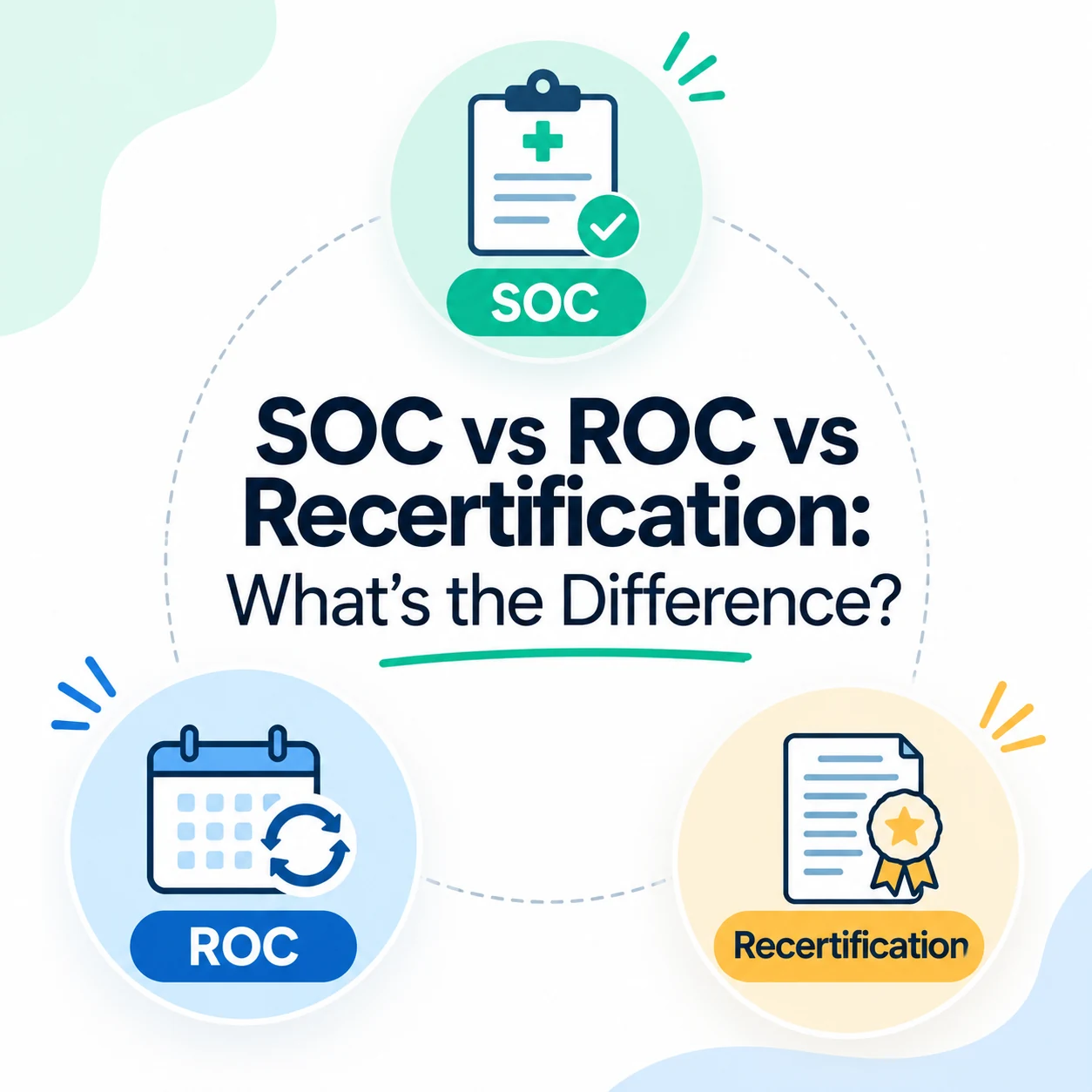
SOC vs ROC vs Recertification: What's the Difference?
SOC, ROC, and Recertification all involve OASIS and Medicare documentation, but each serves a very different purpose. This guide breaks down what each assessment is, when it's required, how it affects reimbursement, and the mistakes agencies should avoid.
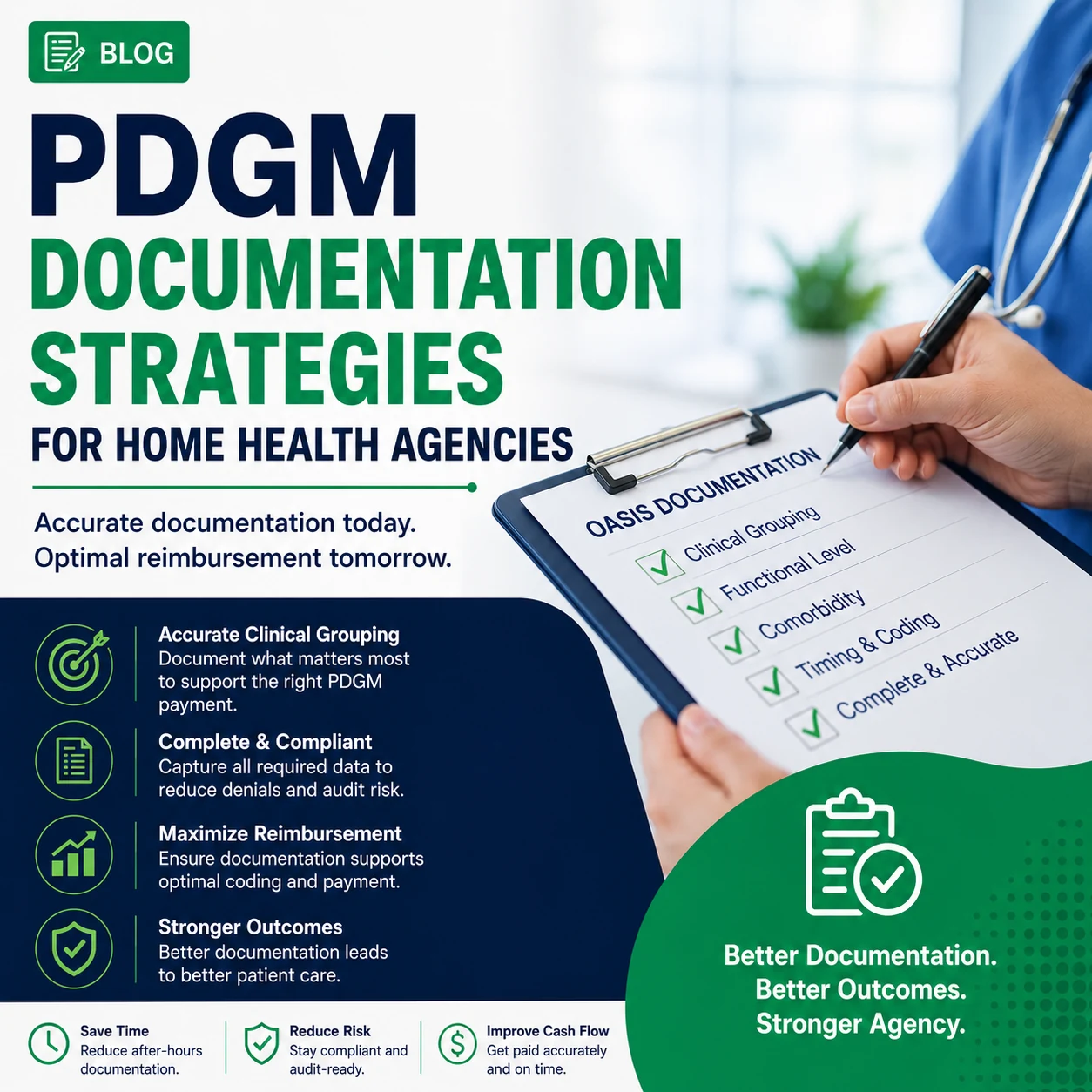
PDGM Documentation Strategies for Home Health Agencies
Under PDGM, documentation establishes the clinical picture that supports classification, medical necessity, coding, and payment. This guide breaks down 15 PDGM documentation strategies, a documentation-to-payment framework, weak-vs-strong examples, and a closed-loop workflow to keep charts consistent and audit-ready.
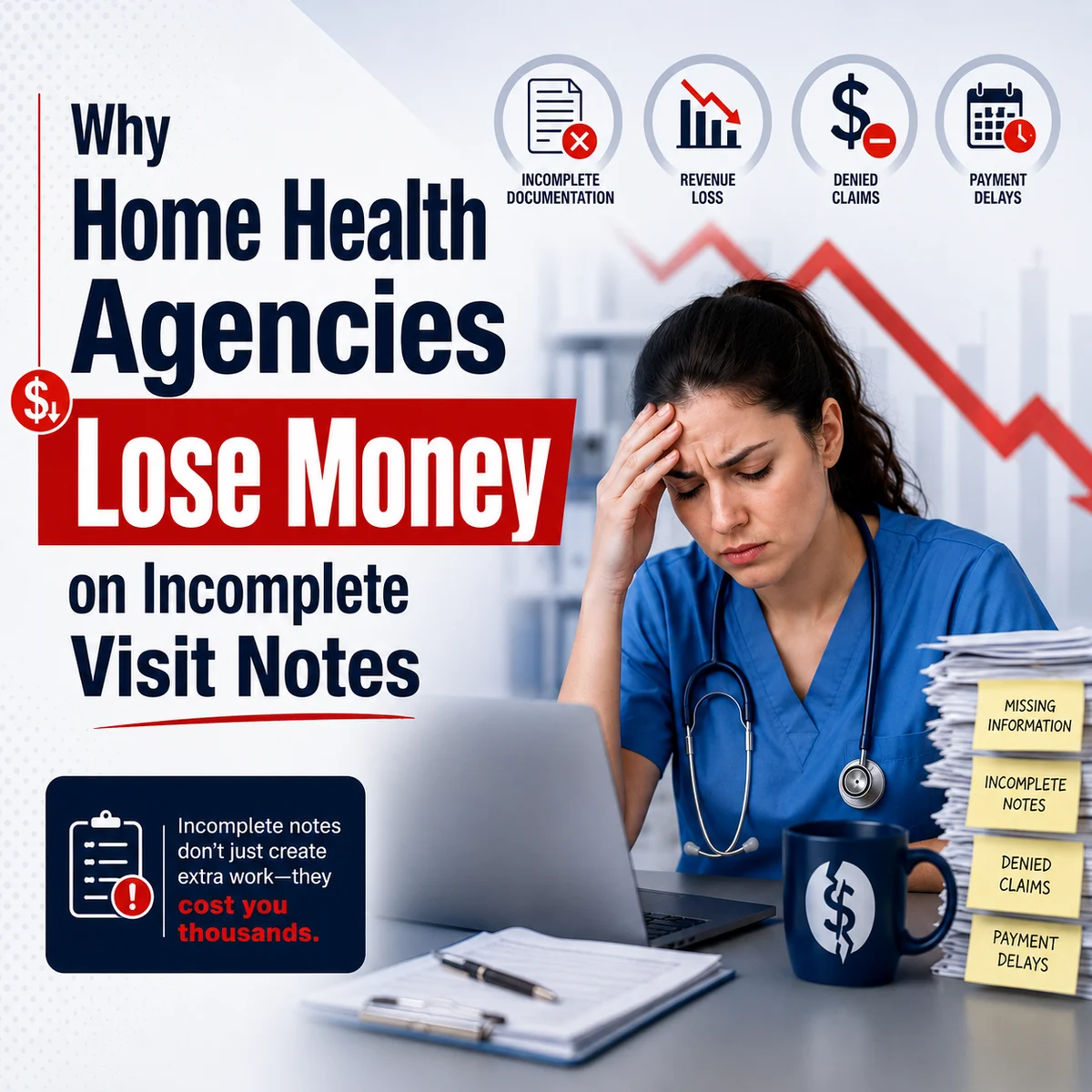
Why Home Health Agencies Lose Money on Incomplete Visit Notes
An incomplete visit note rarely creates just one problem, it moves downstream into QA rework, billing holds, denials, and audit risk. This guide breaks down the 7 most common documentation gaps, how they drain revenue, and the workflow (frameworks, real-time QA, prompts, and clinician-reviewed AI) that helps nurses finish accurate notes the first time.